Before a fresco painter floated the final, smooth coat of plaster — the intonaco — he worked out the composition on the rough coat beneath it, the arriccio. That preliminary drawing is the sinopia: named for Sinop, the Black Sea port that supplied the iron-oxide pigment used to make it. Red-brown, brushed freehand, sometimes tentative and corrected, it was never intended to be seen again.
Detachment changed that. When conservators began lifting frescoes from their walls using strappo and stacco techniques in the twentieth century, they found the sinopie still intact on the arriccio beneath. A hidden layer of the design process surfaced, in some cases for the first time in six centuries.
What sinopie reveal is the working mind behind the finished surface. Some are close to the painted result — tight, assured, barely altered. Others show pentimenti (second thoughts): a figure repositioned, an arm redrawn, a group of heads that didn't survive into the final painting at all. Because the intonaco was laid section by section in the small daily patches called giornate, each tied to the length of the working day, any adjustment had to be resolved at the sinopia stage, before the plaster hardened and locked in the decision.
The drawings also hint at something about workshop division. Where the sinopia is fluid and the painted version more rigid, scholars have read the hand of assistants finishing what the master roughed out. Where sinopia and surface match exactly, the same hand likely made both. Neither reading is certain, but the underdrawing at least makes the question askable in a way the completed surface alone does not.
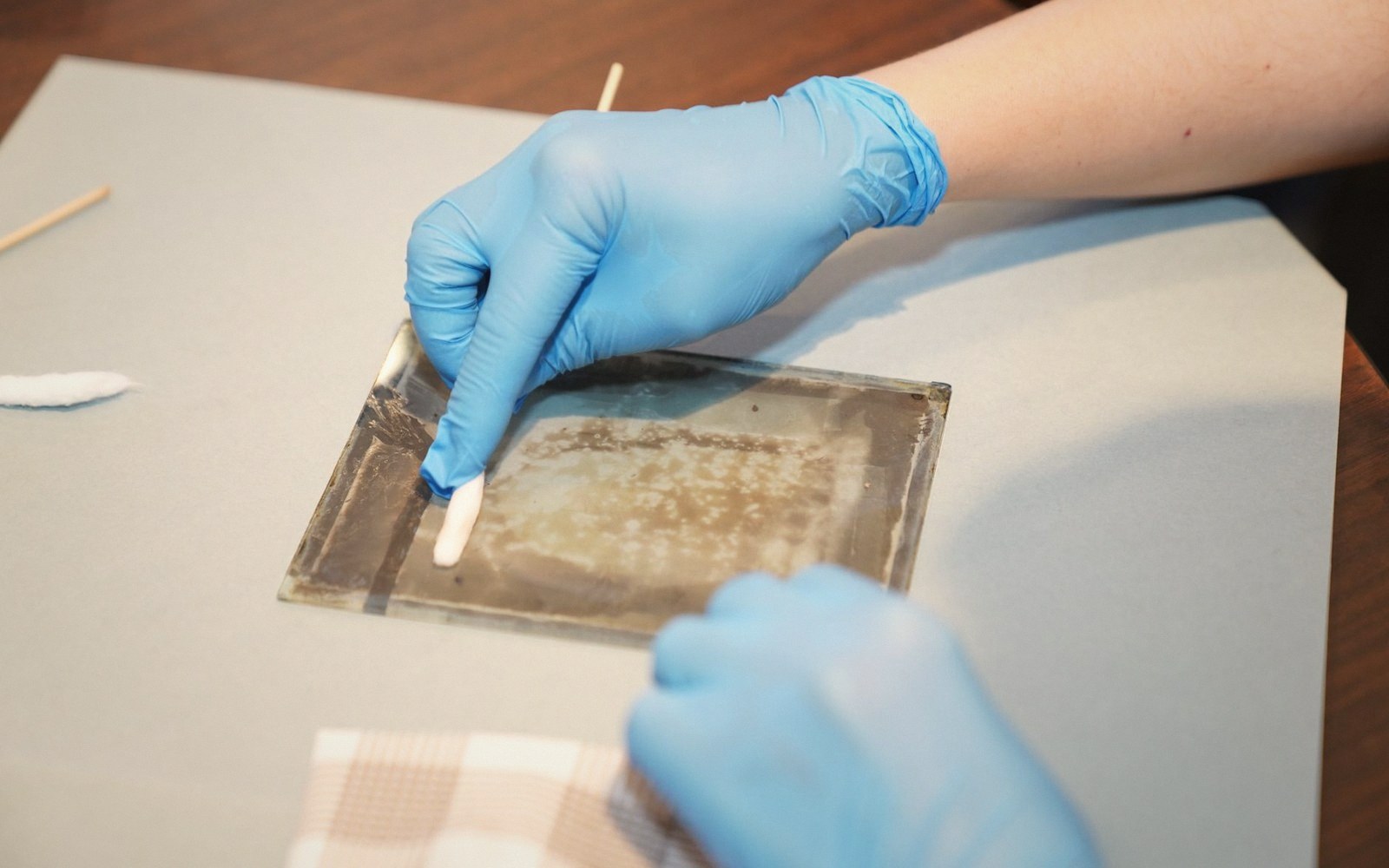
Tuscan sites yielded some of the most studied examples: sinopie detached from the Camposanto in Pisa, damaged by wartime fire in 1944, were among the first to be systematically removed and examined. They are now displayed alongside the separated frescoes — sketch and surface, separated by conservation and reunited in a museum case, showing how far the wall buried its own origins.