agendaconcorsi.comThe Sinopia Register — how Italy's art got made, and who paid

Every entry is a commission: what was ordered, on what terms, and by whom.

The Contract · the flagship entry

The Commission Is the Unit

Almost nothing was painted speculatively. A contract named the subject, the figures, the materials, the size, the price, the schedule and the penalty — and reading one tells you more about the painting than most catalogue entries.
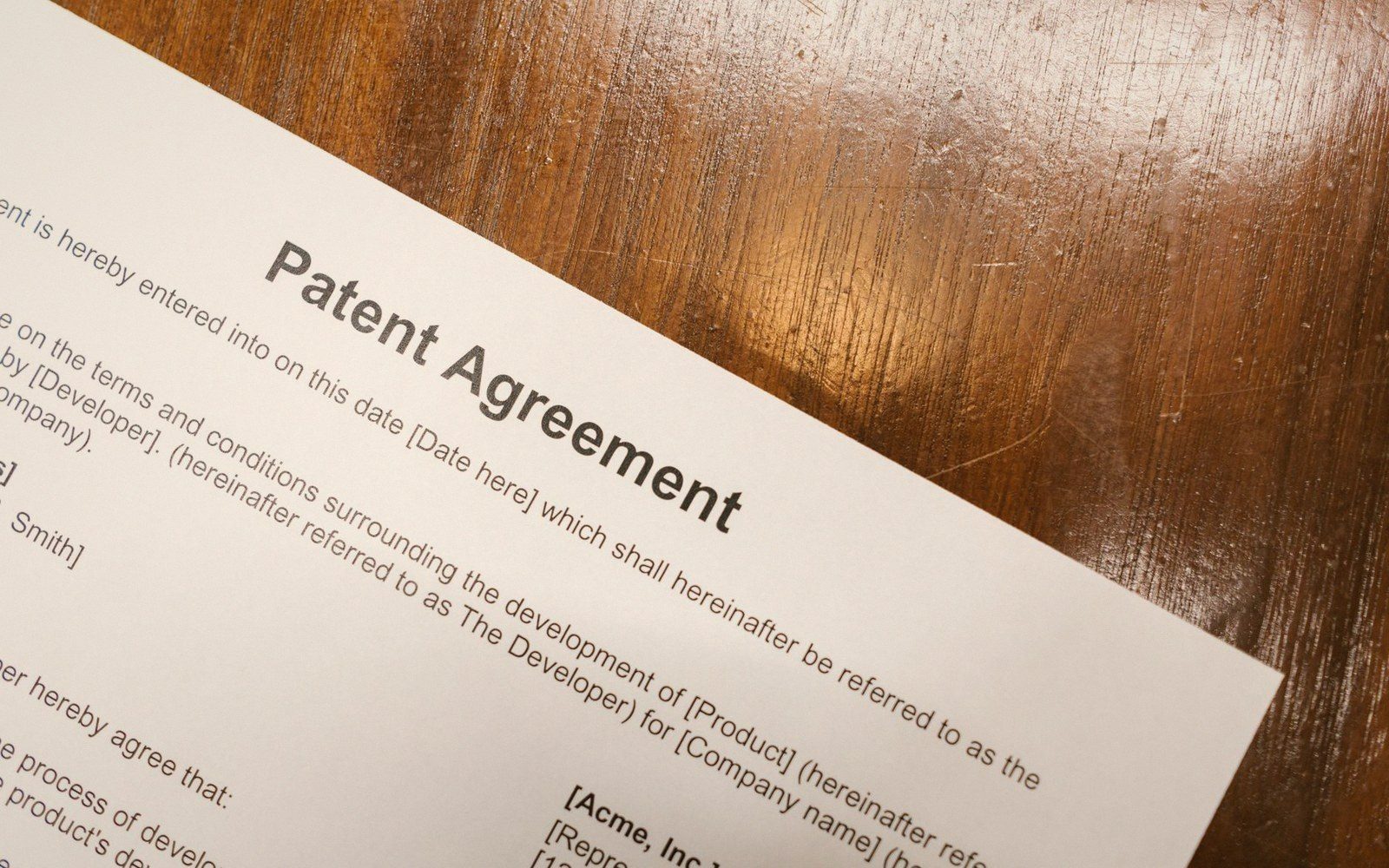
By the Register desk · The Contract · 3 min read

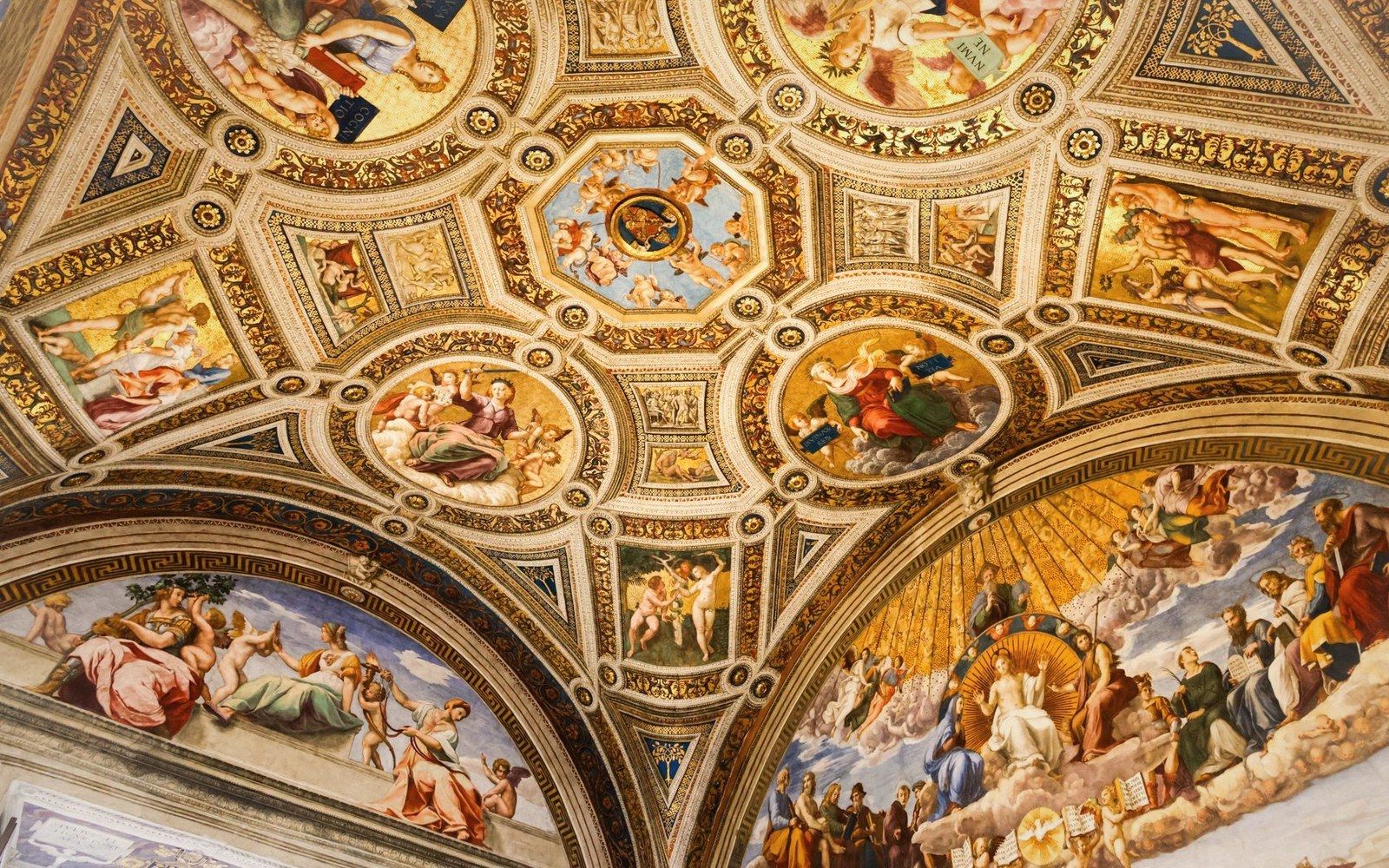
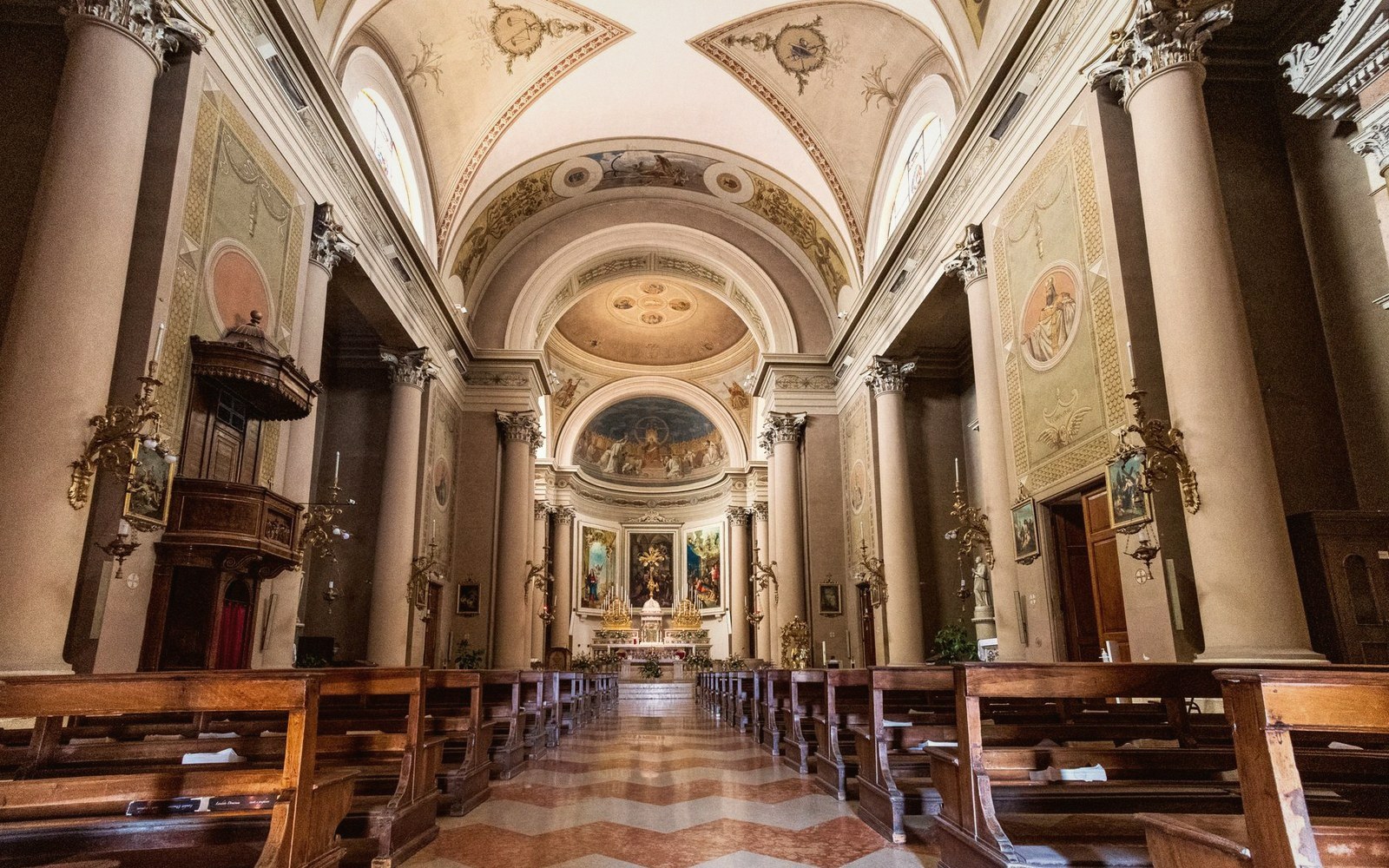
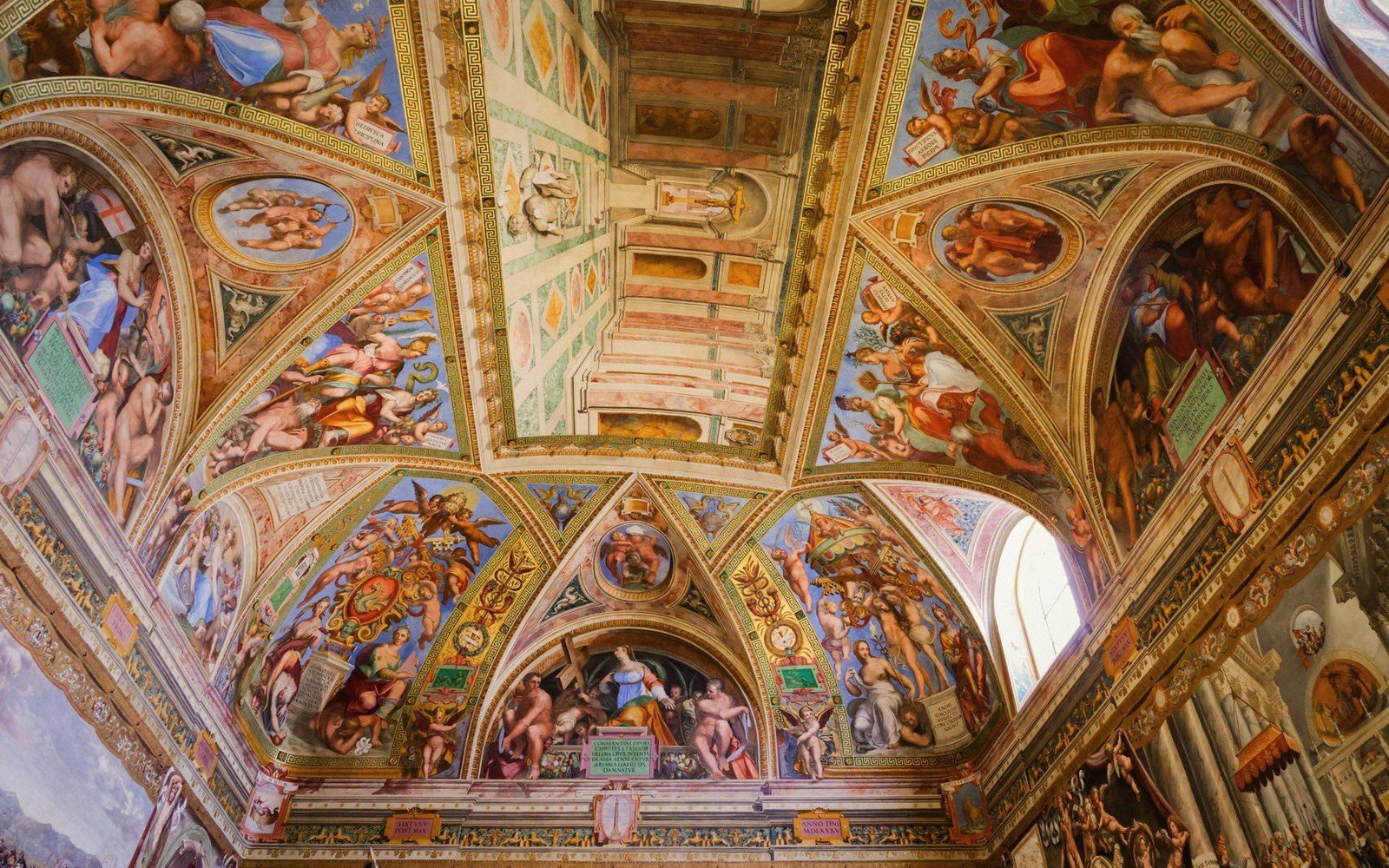
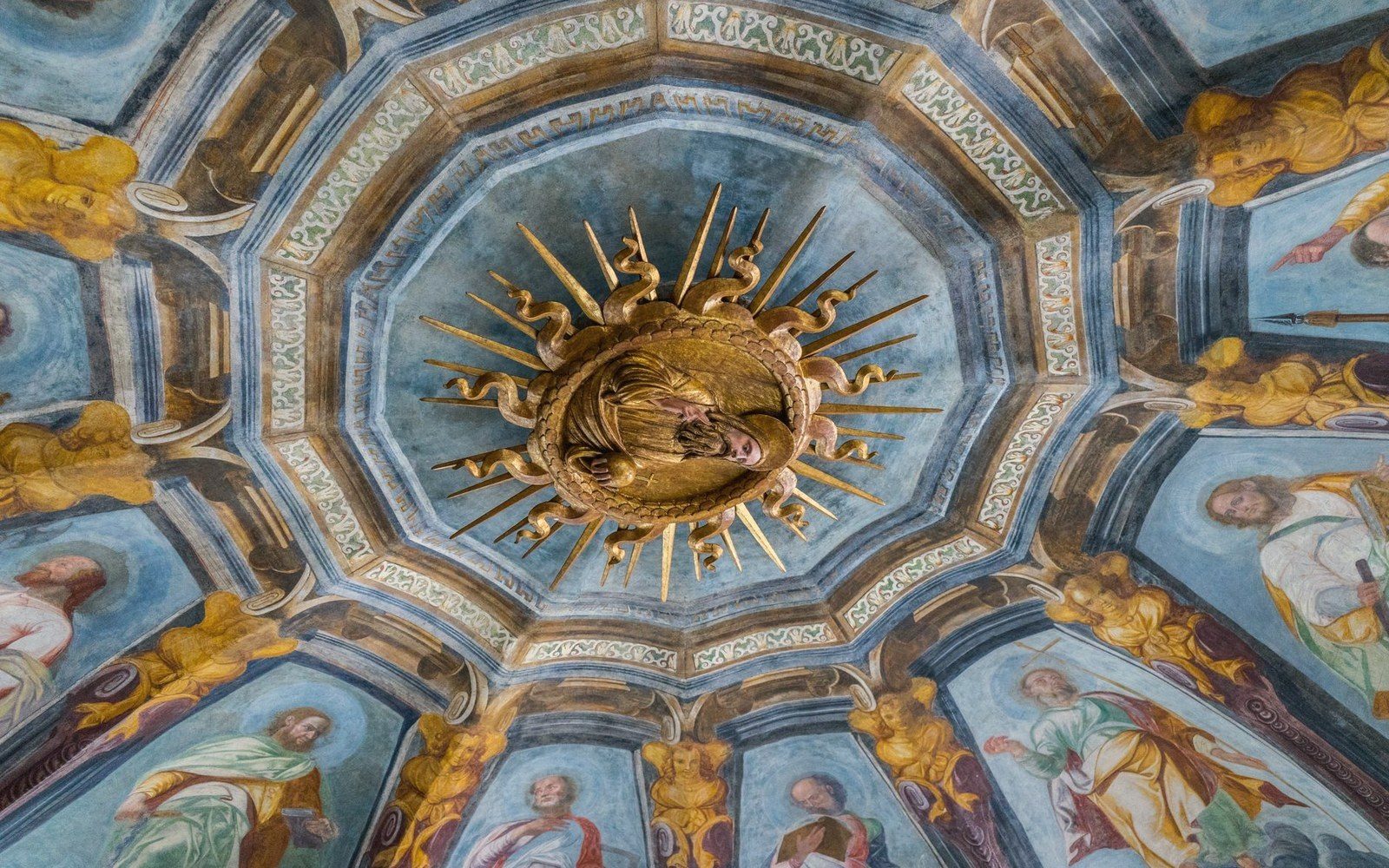
Ornate frescoed vaulted ceiling with religious paintings in gilded arched panels
A signed agreement settled subject, materials, hand, price and penalty before any pigment was ground. Photo: Magda Ehlers / Pexels

The register

Filed by commission type, with the terms attached: subject and figures, the master's own hand, materials and grade, size and carpentry, price and staging, term and penalty, approval and arbitration.

Commission typeWhat was orderedTerms attachedSection
An altarpiece for a chapel altar Panel, frame and predella for an altar that already existed Size and Carpentry · Subject and Figures, Specified · Gold by Weight The Contract
A cycle for a nave bay A narrative in registers, fitted to the bays and the sightlines A Cycle for a Nave Bay · The Clock in the Plaster · Price, and Paid in Stages On the Wall
A painter retained by the month A salary rather than a price, and duties beyond pictures A Painter Retained by the Month · The Master's Own Hand · Term and Penalty The Workshop
A burial chapel, walls and altar together A whole space commissioned as one programme A Burial Chapel, Walls and Altar Together · Patronage Was Local Before It Was Anything Else · Approval and Arbitration The Patron
A patron saint for a shared pillar A modest commission in a space owned by several trades A Patron Saint for a Shared Pillar · Subject and Figures, Specified · Grades, and the Cheaper Blue The Patron
The refectory wall An image of a meal for a hall where a community ate The Refectory Wall · What Was Added Dry · Egg, Then Oil On the Wall

Rows are commission types, not works.Every entry is reachable from Sections.

Materials · the long read

Blue by the Ounce

Ultramarine came from lapis and cost more than gold in some contracts, so it was specified by weight and grade in the agreement itself. Why the Virgin's robe is the most expensive object in the painting.

Read the entry
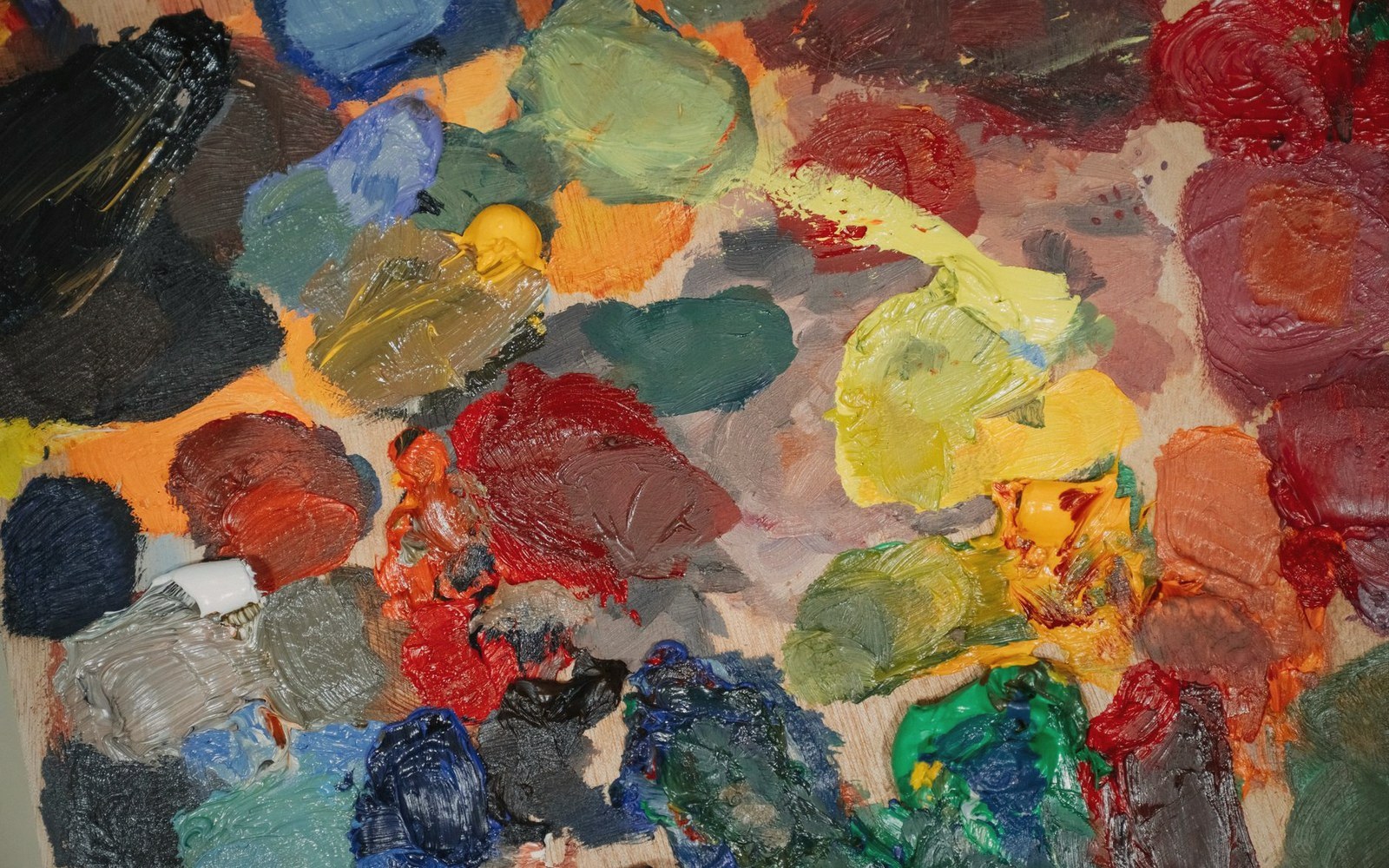
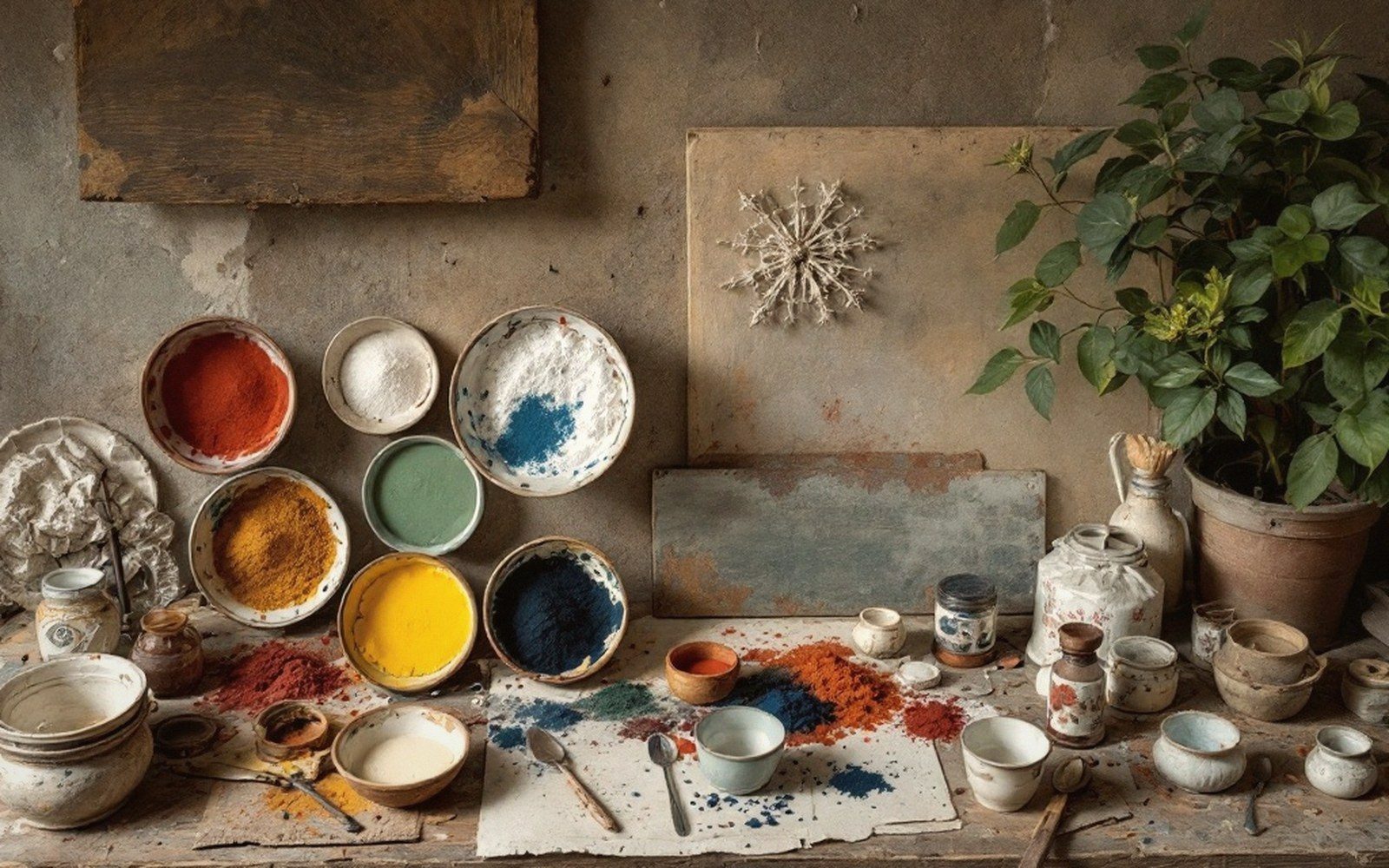
Ground pigments in small dishes on a workshop bench
Ground in water for the wall, in egg or oil for the panel. Ultramarine was issued by weight and used where the agreement said it had to appear.

The seven terms

What a painting contract settled, clause by clause. Each term opens the entry that follows it.

Sections

Five standing sections, twenty-four entries. See them all.

SECTION 01

The Contract

What was actually specified.

All 5 entries →

The Commission Is the Unit

Almost nothing was painted speculatively. A contract named the subject, the figures, the materials, the size, the price, the schedule and the penalty — and reading one tells you more about the painting than most catalogue entries.
3 min read

Term and Penalty

Deadlines with money attached. What happened when a painter overran, and how often they did.

2 min read

SECTION 02

Materials

Blue by the ounce, and gold by weight.

All 5 entries →

Blue by the Ounce

Ultramarine came from lapis and cost more than gold in some contracts, so it was specified by weight and grade in the agreement itself. Why the Virgin's robe is the most expensive object in the painting.

4 min read

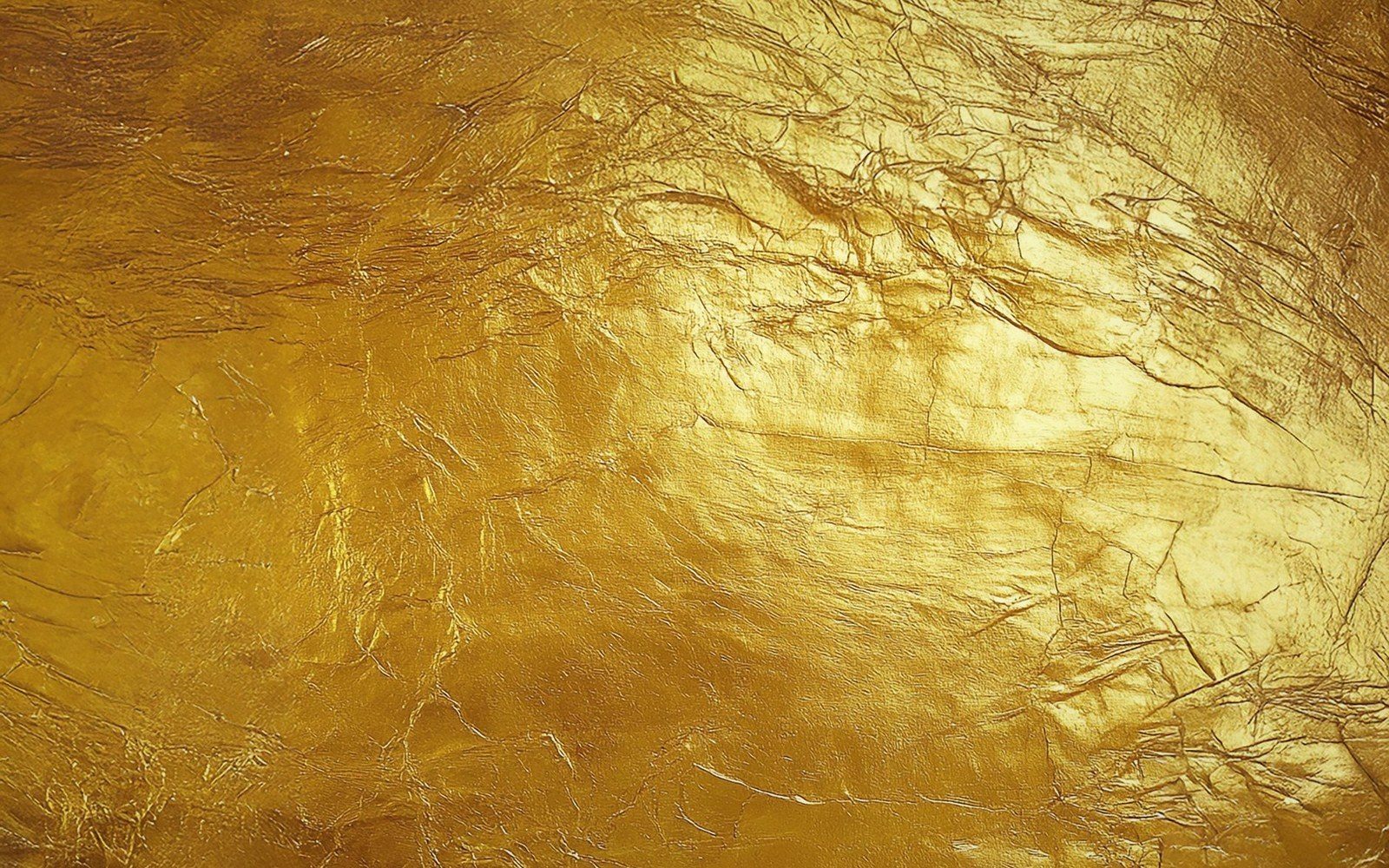
Gold by Weight

Leaf specified in the contract, applied over bole, and burnished. An accounting line as much as a decorative choice.

2 min read

Grades, and the Cheaper Blue

Azurite where ultramarine was unaffordable. How to see the substitution and what it says about the budget.

2 min read

SECTION 03

The Workshop

Whose hand, and how much of it.

All 4 entries →

The Master's Own Hand

Contracts routinely specified which parts the master had to paint himself. Why that clause existed, and what it tells us about how a workshop actually divided a picture.

3 min read

The Cartoon and the Pounce

Full-size drawings transferred by pricked outline and charcoal dust. Repeatability as a workshop technology.

2 min read

SECTION 04

On the Wall

Fresco, and the clock in the plaster.

All 5 entries →

The Clock in the Plaster

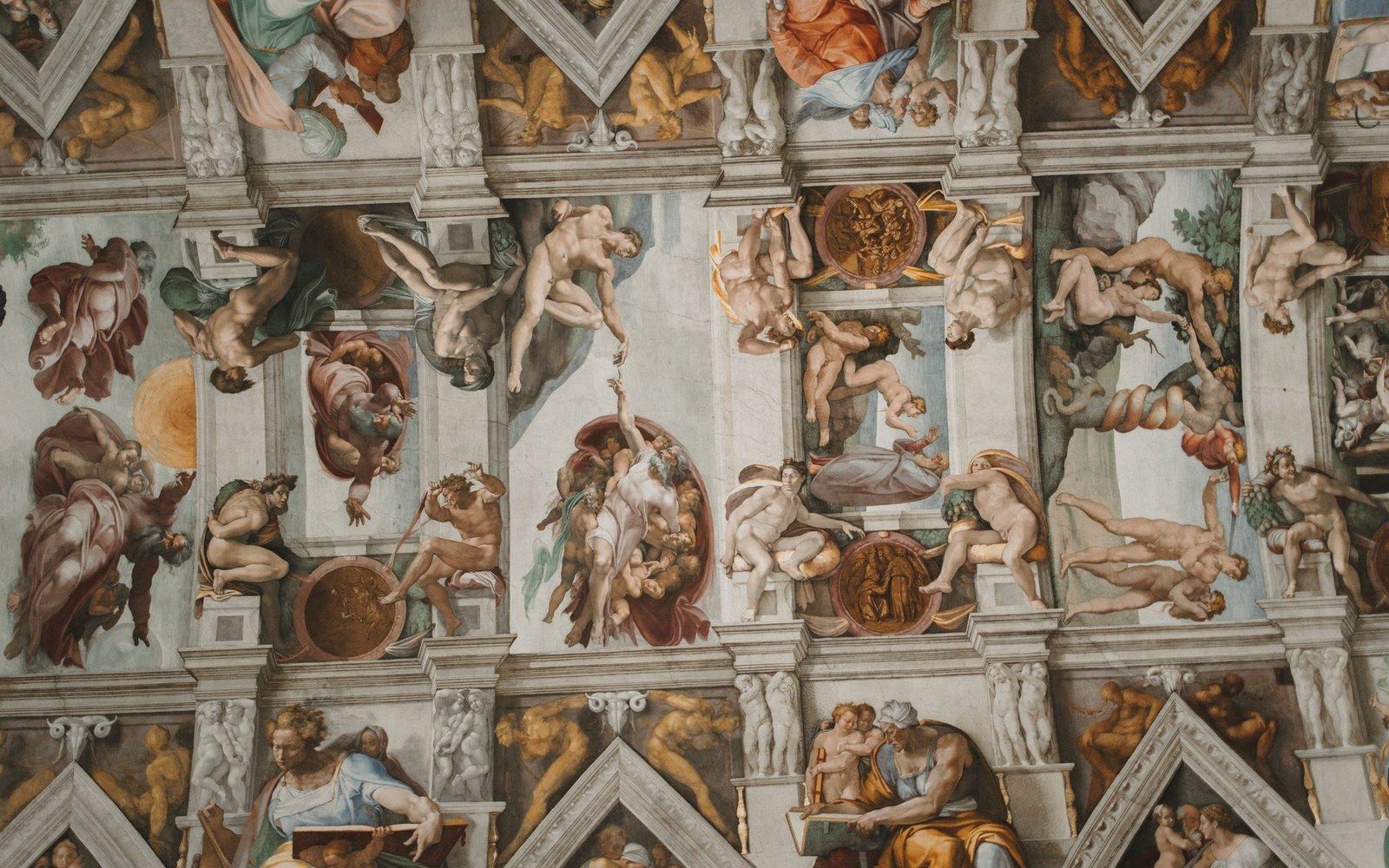
Fresco has to be finished while the plaster is damp, so the wall is divided into a day's work at a time. The giornate are still visible, and they map the painter's actual working rhythm.

4 min read

The Sinopia Underneath

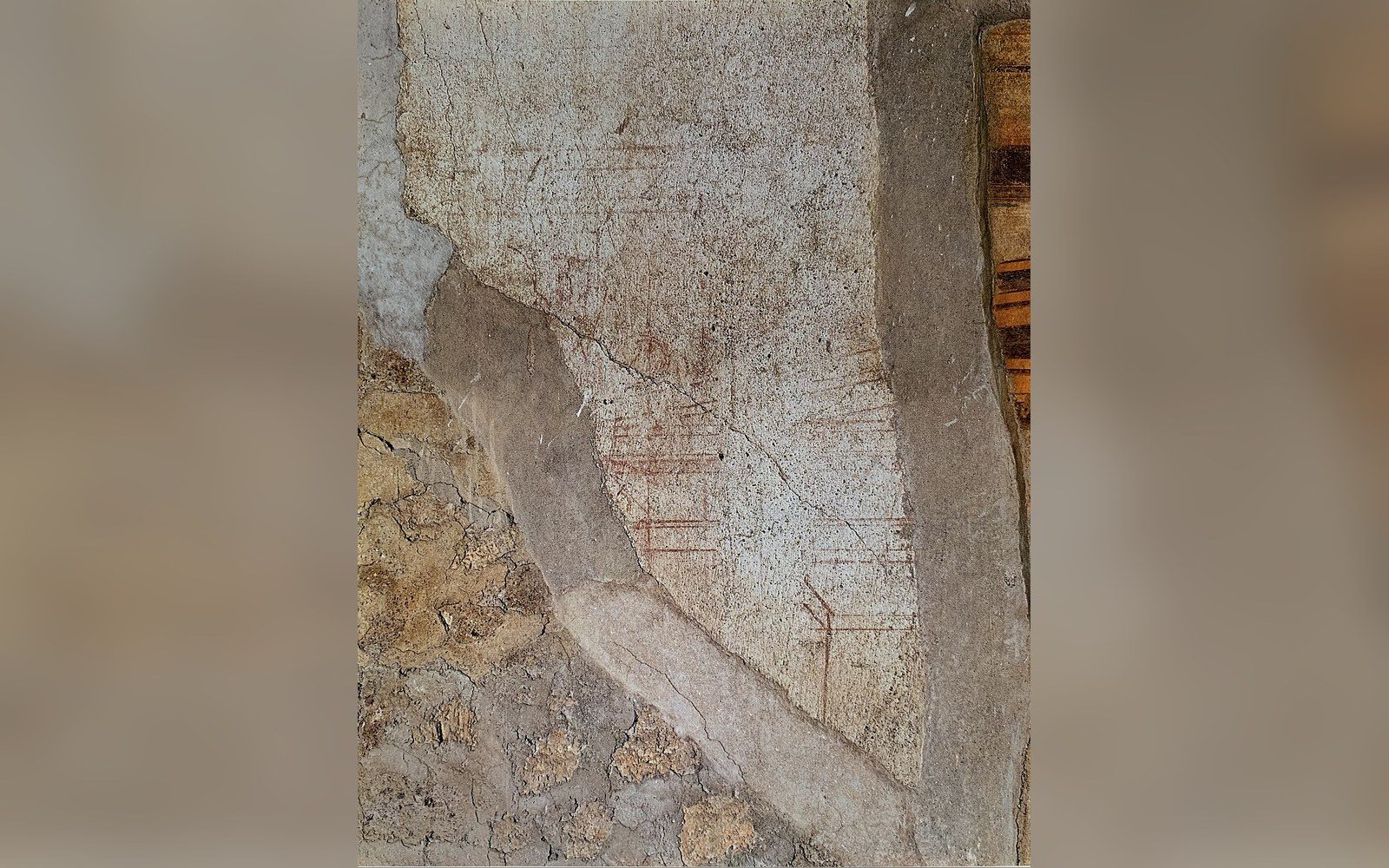
The red underdrawing on the rough coat, revealed when frescoes are detached. What it shows that the finished surface hides.

2 min read

What Was Added Dry

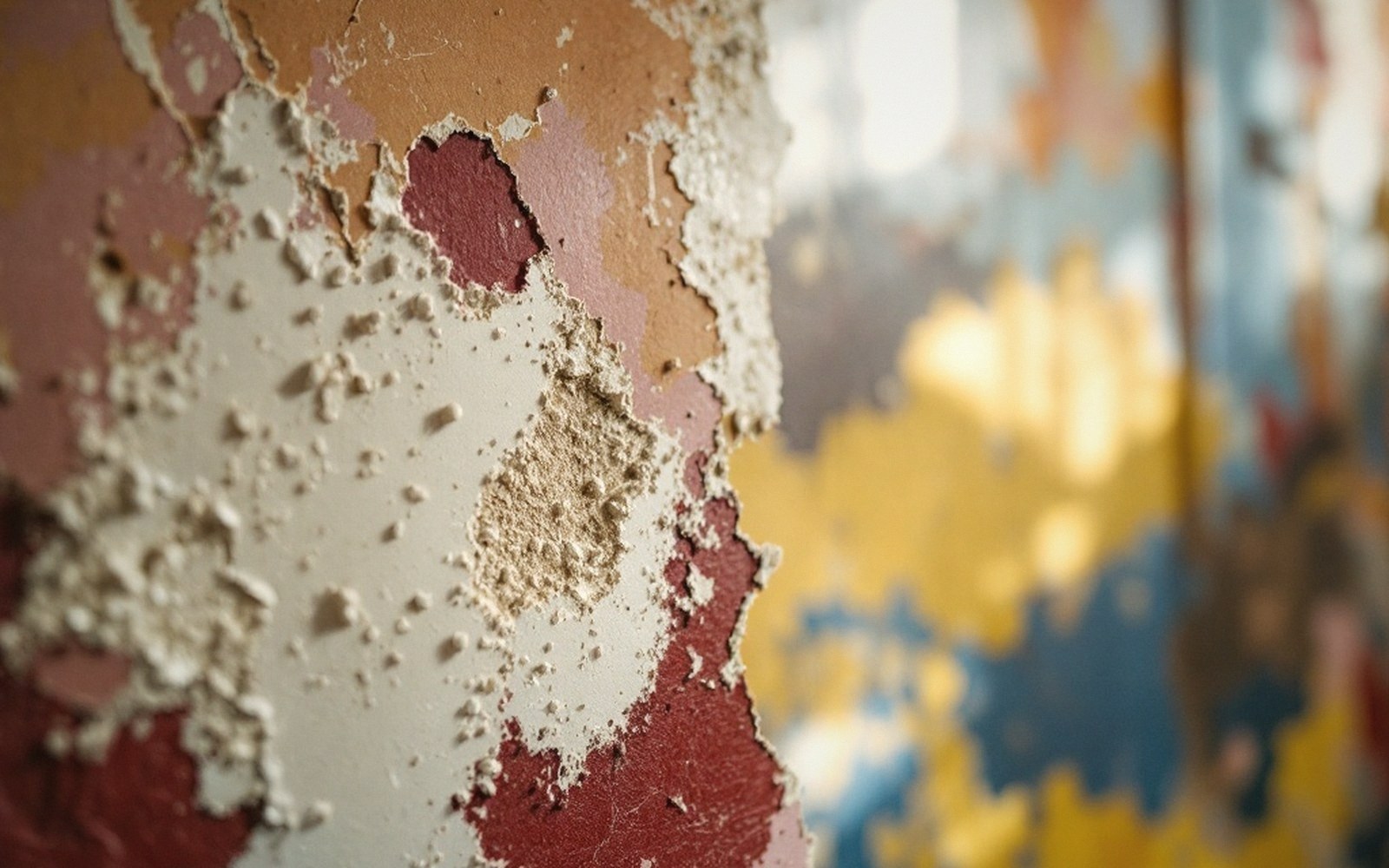
Pigments that could not survive the lime went on afterwards — and are the first things to be lost.

2 min read

SECTION 05

The Patron

Local before it was anything else.

All 5 entries →

Who supports the register

Patrons, workshops, and institutions keeping this corner of art history open.

Founding supporters Supporting organisations

In the workshop

Six surfaces and tools that the entries keep returning to.