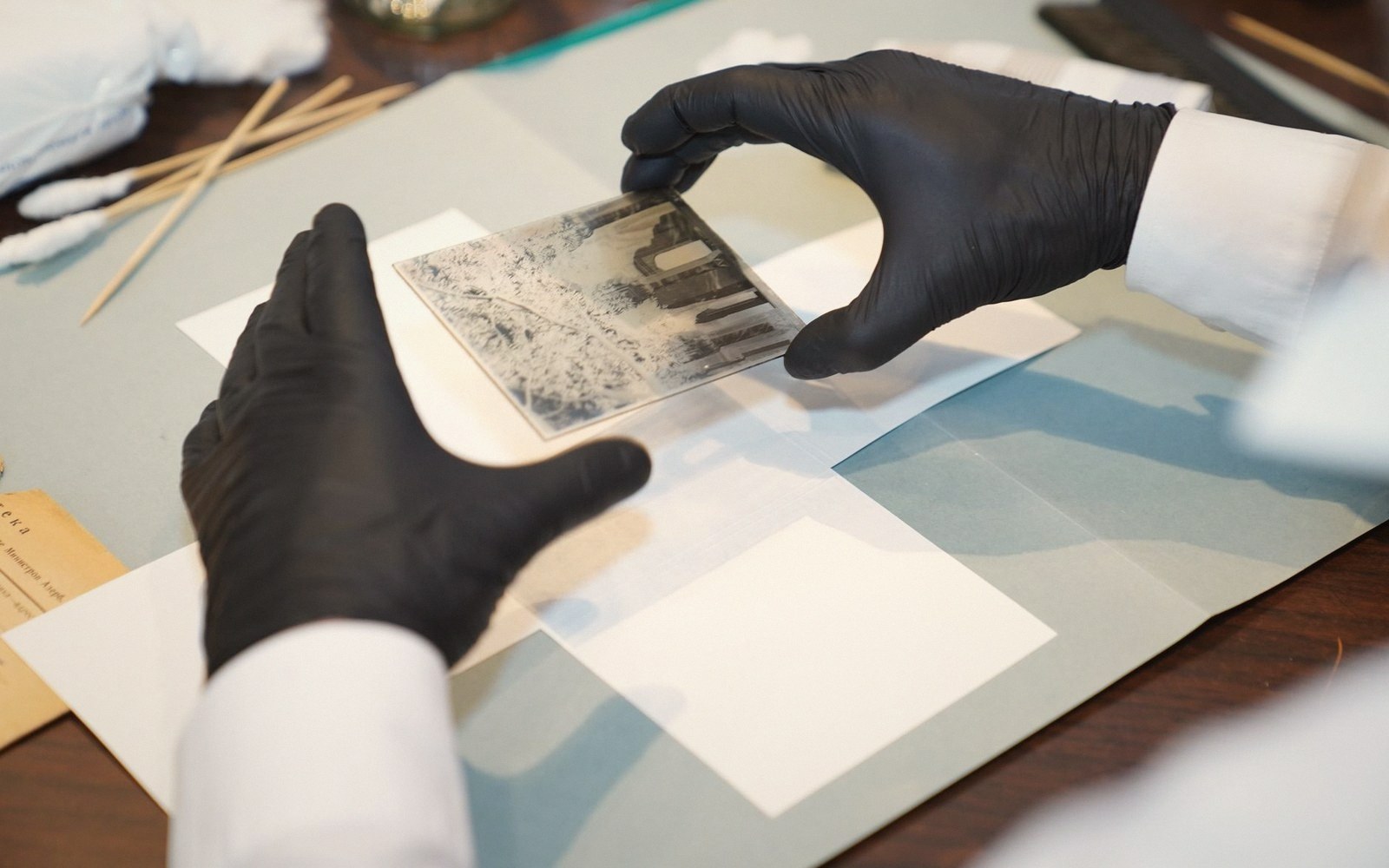
A fresco is not a painting on a wall. It is a painting in a wall — the pigment bound into the carbonated lime surface as it cures, inseparable from the intonaco (the final plaster layer) by any chemical logic short of destruction. So when a building floods, collapses, or falls to a developer, the question becomes brutally practical: how much of the image survives the removal, and at what cost to the work itself?
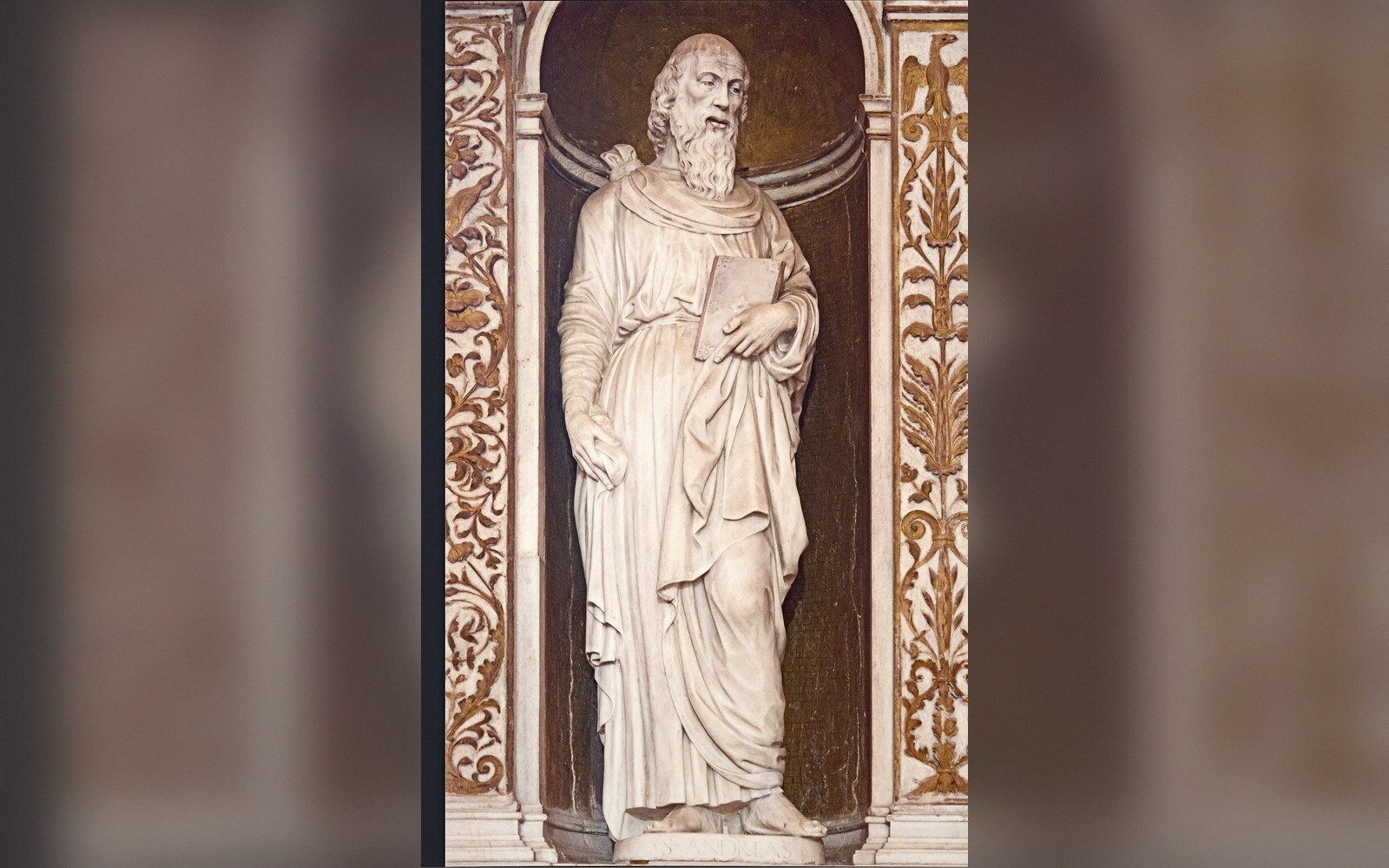
Two techniques dominate, and they differ in what they sacrifice. Stacco lifts the painted intonaco intact: a facing of canvas or Japanese tissue is glued to the surface, and the technician cuts behind the plaster layer, freeing it from the arriccio (the rough preparatory coat beneath). You recover the full depth of the fresco — the painted surface and its plaster support together. The operation is slow, heavy and expensive, and it only works when the intonaco is coherent enough to hold together as a slab.
Strappo — from strappare, to tear — goes further and costs the work more. Here the facing adheres directly to the painted surface, and when it is pulled away it takes only the thin skin of pigment and lime crystals, leaving the plaster behind on the wall. The image arrives on a new support weighing almost nothing. But strappo is genuinely violent: it accepts that the substrate is already lost or unsalvageable and that the pictorial layer alone is worth saving. Losses at the edges, in areas of prior damage, or wherever adhesion was uneven are baked into the method.
Both techniques produce a detached fresco that then needs a new backing — typically a rigid panel of honeycomb aluminum or a fabric-reinforced synthetic — before it can be displayed. That secondary mounting is where many of the visible distortions in museum frescoes originate: slight undulations, fills that read differently in raking light, inpainting over losses from the removal itself.
The museums holding these works rarely advertise the operation. A fresco hung on a gallery wall looks authoritative, even natural. What the sinopia underneath sometimes reveals — when a stacco removal also exposes the rough-coat underdrawing — is that the detachment inadvertently created two objects: the finished image and the preparatory drawing that preceded it, both now conserved separately. That is occasionally the most valuable thing the procedure produced.
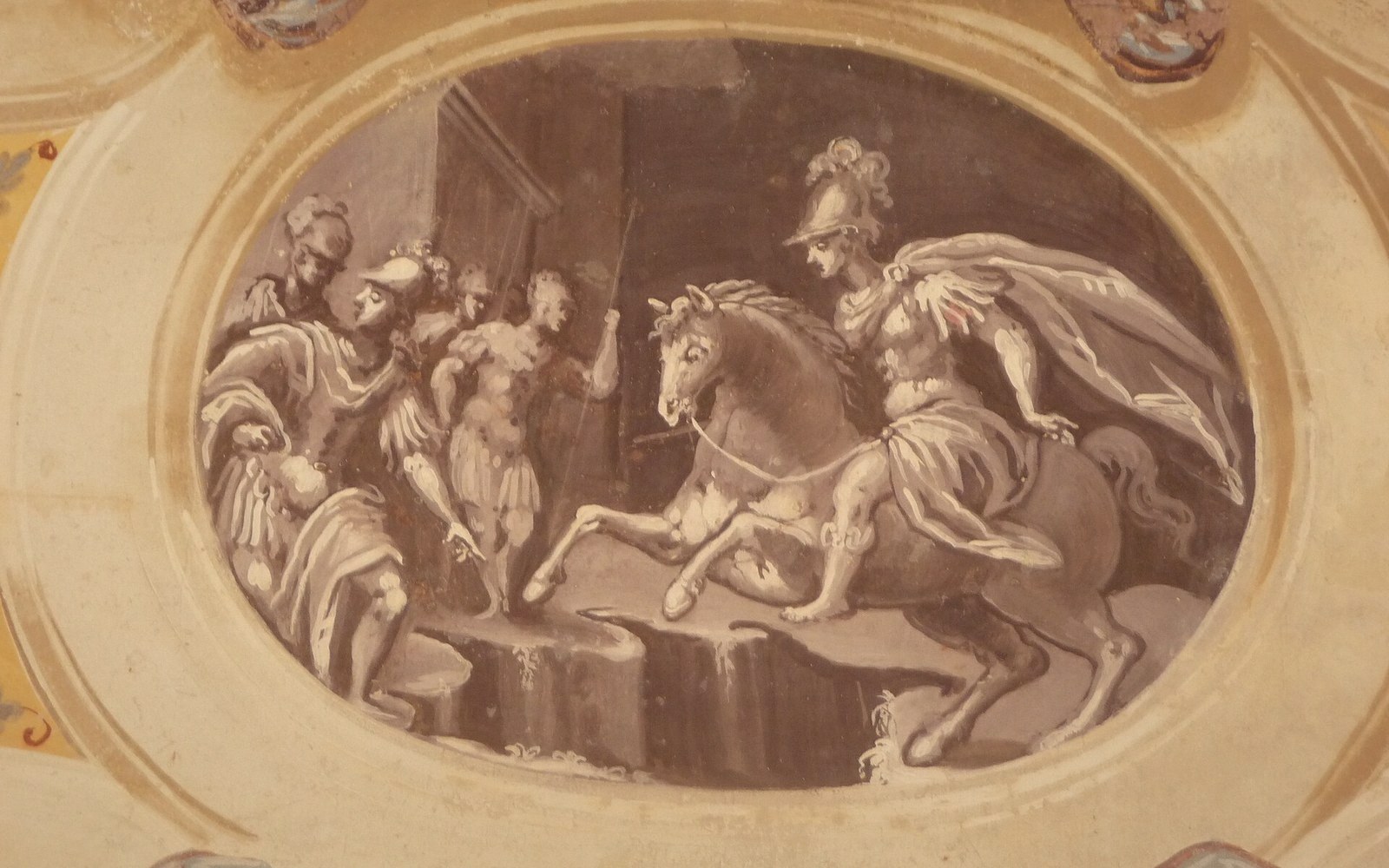
Detachment is always a last resort, and the conservation profession has grown more reluctant to deploy it since the 1960s, when the floods of Florence turned strappo into emergency triage on an enormous scale. The technique remains the same. The threshold for using it has risen.