The typical altarpiece in a European museum was not painted for a museum. It was painted for an altar, within a chapel, within a building that had a community attached to it — a congregation, a confraternity, a monastic house. The relationship between the object and the room was functional: the image served the liturgy, the liturgy served the patrons, and the patrons often lay buried beneath the floor. None of that survived the journey.
The largest single mechanism of dispersal was suppression. When reforming governments — Joseph II in Austria, the Napoleonic administrations across occupied Italy, and later the unified Italian state after 1866 — dissolved monasteries and confraternities, their contents became portable assets. Inventories were drawn up, objects were valued, and the better pieces traveled to newly founded civic museums or to royal collections. Many of the altarpieces in the Pinacoteca di Brera in Milan entered by exactly this route: the building itself was a suppressed Jesuit college, and the collection was seeded with works taken from others. The dispossession was systematic, not opportunistic.
Debt and private sale did the same work more quietly. A patron family in financial difficulty could sell a chapel's furnishings before the building was touched. The legal situation was often murky — had the family donated the work outright, or merely placed it? — and the altarpiece might change hands several times before a dealer moved it north of the Alps. By the time it reached a German princely collection or an English country house, the contract that had specified the subject, the patron saint in the corner, and the precise quality of the blue had been lost or separated from the object. The image survived; the obligation it embodied did not.
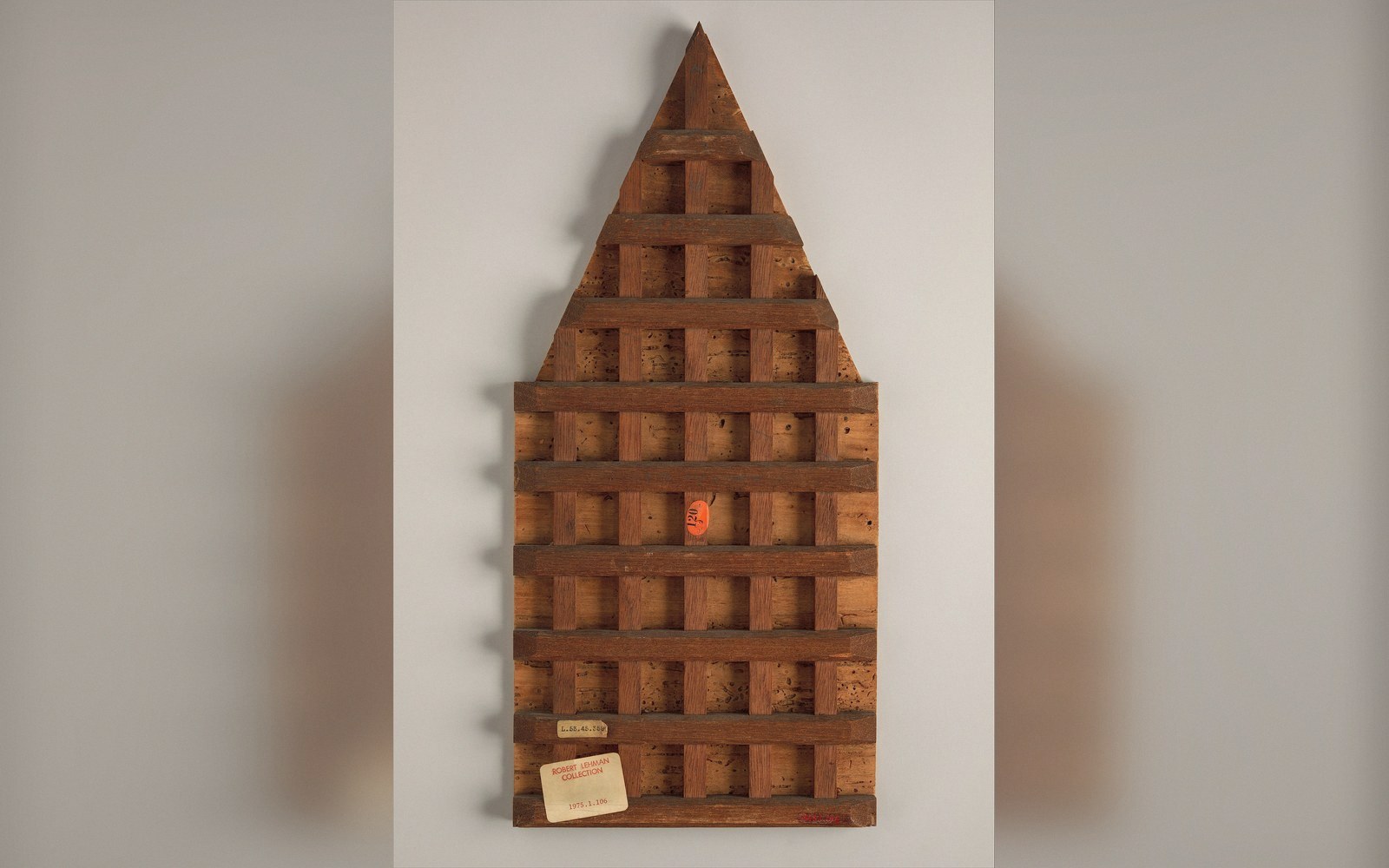
Relocation within Italy produced a subtler distortion. Suppressed works collected into a regional pinacoteca were at least still in the same city, sometimes the same neighborhood. But they were now vertical on a wall rather than raised on an altar, lit from the side rather than by candlelight from below, and stripped of the frame that had connected them architecturally to the space. The frame was often sold separately, or adapted for something else. The painting became a painting — an aesthetic object — where it had been a liturgical one.
What the museum presents as a masterpiece was, at the moment of commission, a piece of contracted furniture. The suppression orders, the debt sales and the re-hangings between them completed the transformation that no individual patron or painter intended.
What the museum presents as a masterpiece was, at the moment of commission, a piece of contracted furniture.