The Hand That Was Being Purchased
When a patron commissioned a painted altarpiece, he was not simply buying a painted altarpiece. He was buying access to a specific reputation, and reputations belonged to individual hands. This is why contracts from the fourteenth century onward so often contain a variation on the same phrase: that the master himself shall paint the faces, or the principal figures, or the Madonna with his own hand (di sua propria mano). The clause exists because it was already understood, by both parties, that the master would not paint the whole thing.
A working bottega — workshop — was a production unit. Apprentices prepared grounds, assistants laid in drapery, junior painters filled backgrounds and architecture. This division was not a secret or a scandal; it was the normal economy of making paintings at scale. What the patron was purchasing, specifically, was the guarantee that certain parts — the parts where identity and expression lived — would not be delegated. The clause is the contract's way of drawing that line.
Where the Line Was Drawn
The hierarchy of delegable parts is remarkably consistent across surviving contracts. Faces come first: the Madonna's face, Christ's face, the face of the saint who shares the patron's name. These were the figures the patron would pray toward, and a face painted by an apprentice was not the face the patron was paying for. After faces came hands, which carried narrative weight in a period when gesture was a pictorial language. Then came the primary figures in general — their whole bodies, posed and draped — and after that, the rest of the picture, which could be handed down the workshop hierarchy with less anxiety.
Architecture, landscape, sky, the lesser angels in a crowd: these appear in contracts as implied assistant territory, unspecified precisely because their execution by a junior hand was unremarkable. The clause specifying the master's hand exists not to describe what he would paint but to bind him to what he might otherwise have delegated. It is a floor, not a ceiling.
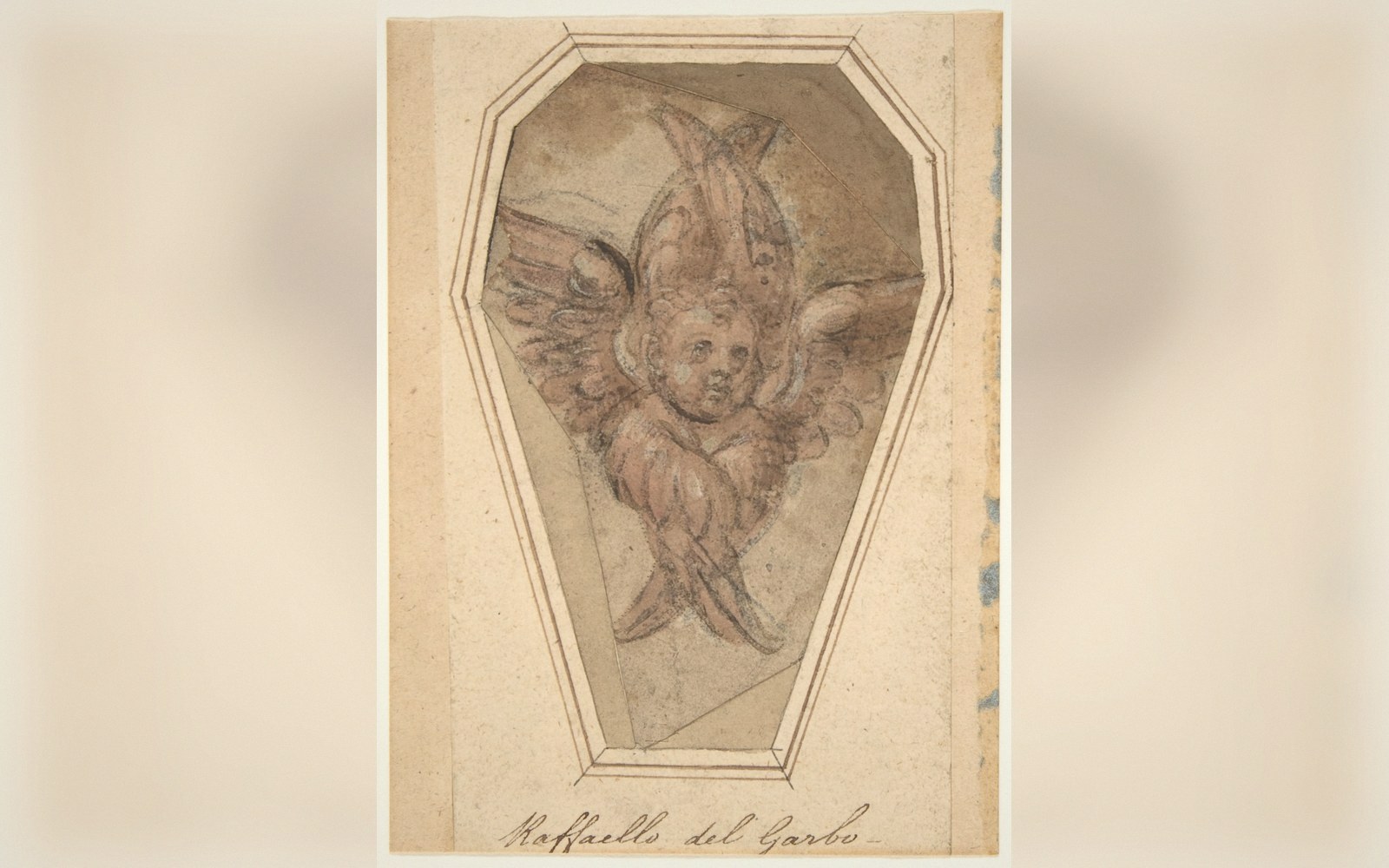
The commercial logic behind this was also partly legal. Workshop paintings were sold under the master's name and attracted the master's price. A patron who paid for Ghirlandaio was not paying for Ghirlandaio's bottega grinding pigments and laying in the blue sky. The personal-hand clause was the contractual mechanism by which that price difference was justified and enforced — and occasionally, when it was not honored, disputed.
The hierarchy of delegable parts is remarkably consistent across surviving contracts.
What This Means in Front of the Painting
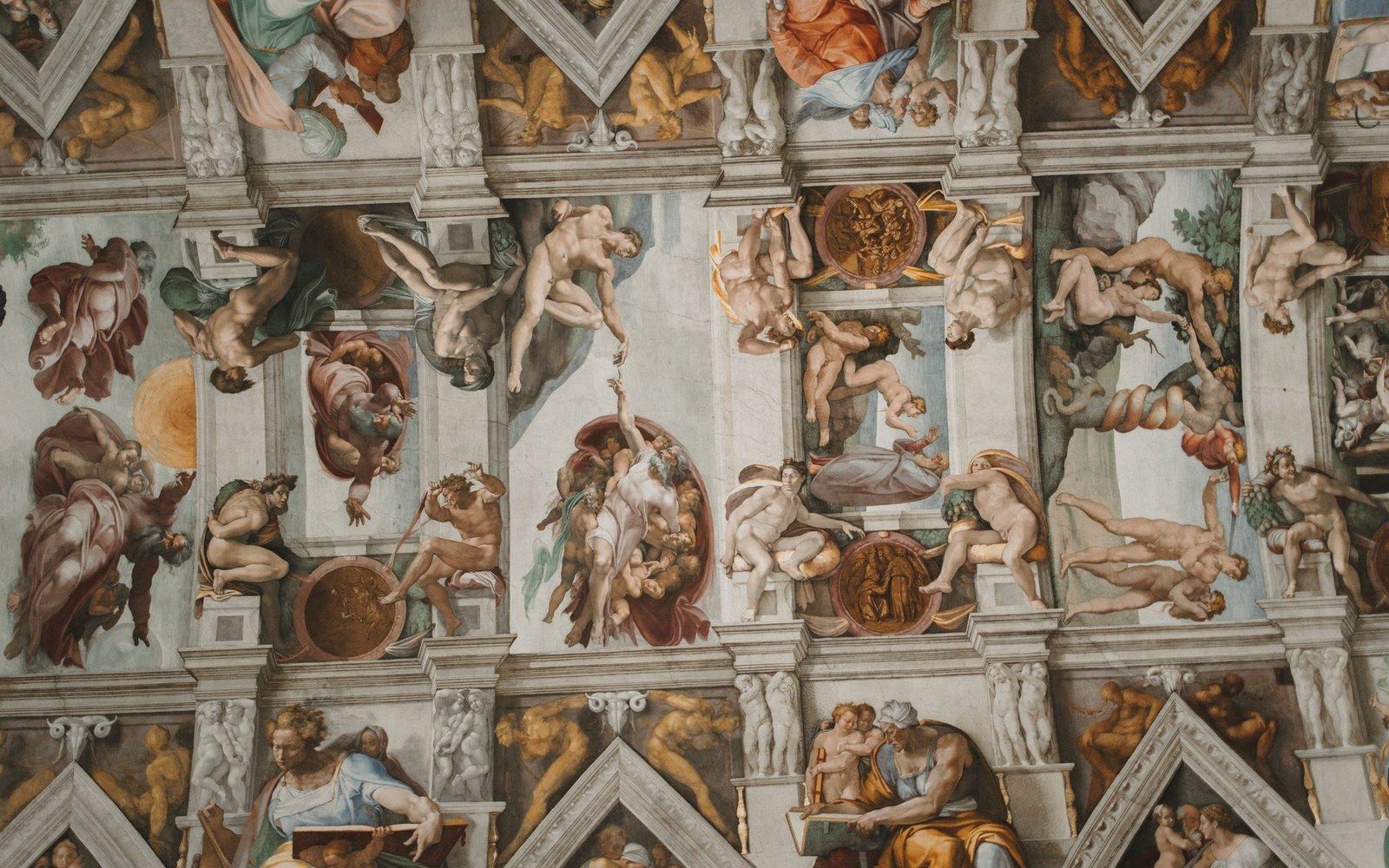
The clause has real consequences for anyone looking closely at a finished work. Condition reports and technical examination often confirm what the contracts predicted: passages of finer, more particular handling in the faces and primary figures, and broader, less individuated execution in the peripheral zones. In large fresco cycles, the same pattern appears within individual scenes — the principal narrative group rendered with demonstrably more care than the architectural backdrop that frames it.
This is not, crucially, a failing. It is the work functioning exactly as the contract designed it to function. What an assistant was allowed to paint was not the lesser work by accident; it was the lesser work by agreement, and the patron knew it. The contract defined what mattered.
There is a sharper implication too. When modern attribution debates circle around whether a given passage is "autograph," they are often, in effect, re-arguing the same question the patron's contract already posed. Which parts was the master bound to paint? The contract answered that question in advance, with a clear priority order. The faces. The hands. The principal figures. Everything else was always, formally, open to interpretation.
Sinopia is an independent publication about art patronage and workshop practice. It is not a competitions body, gallery, dealer or advisory service, and it does not offer valuations or attributions.