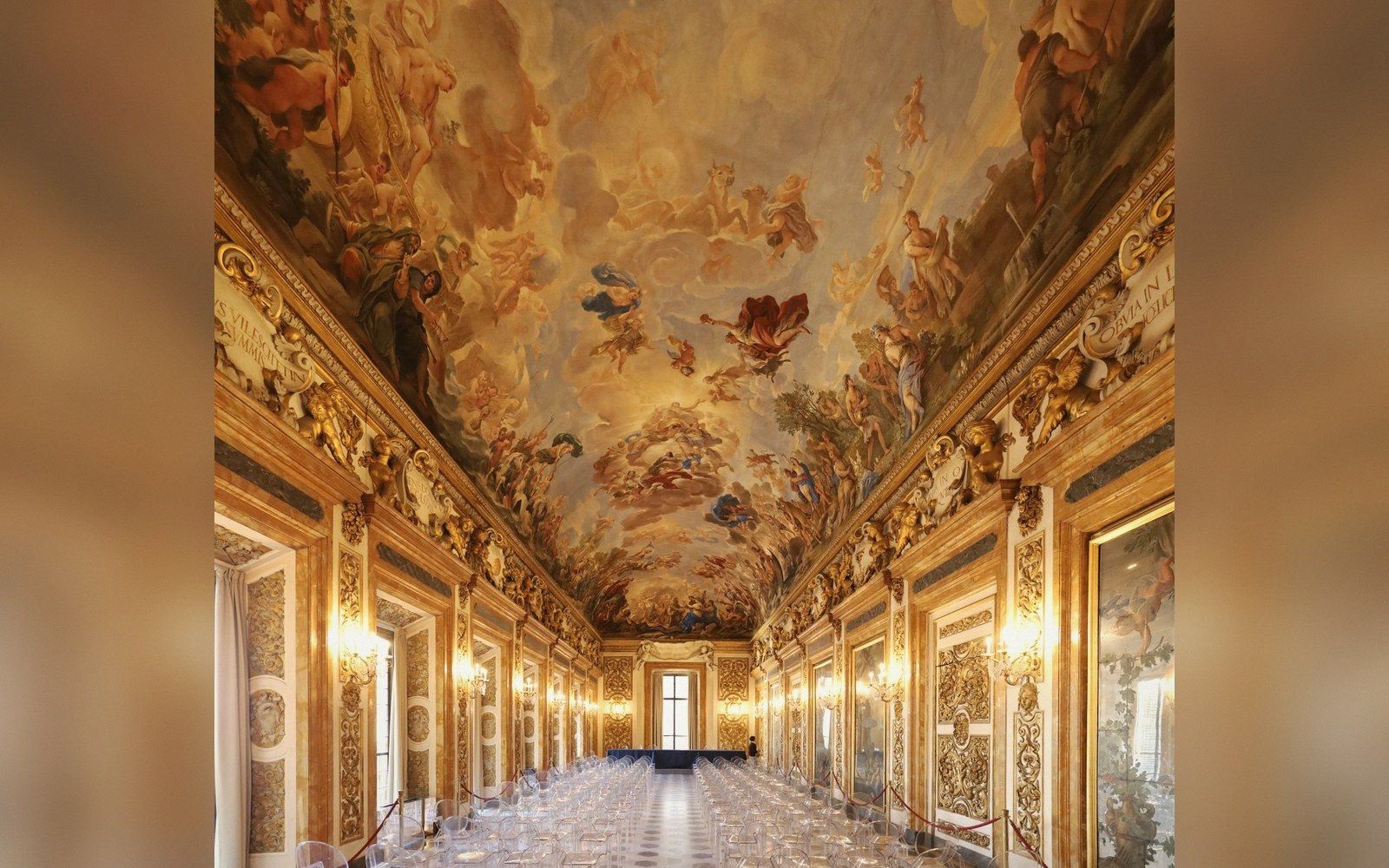
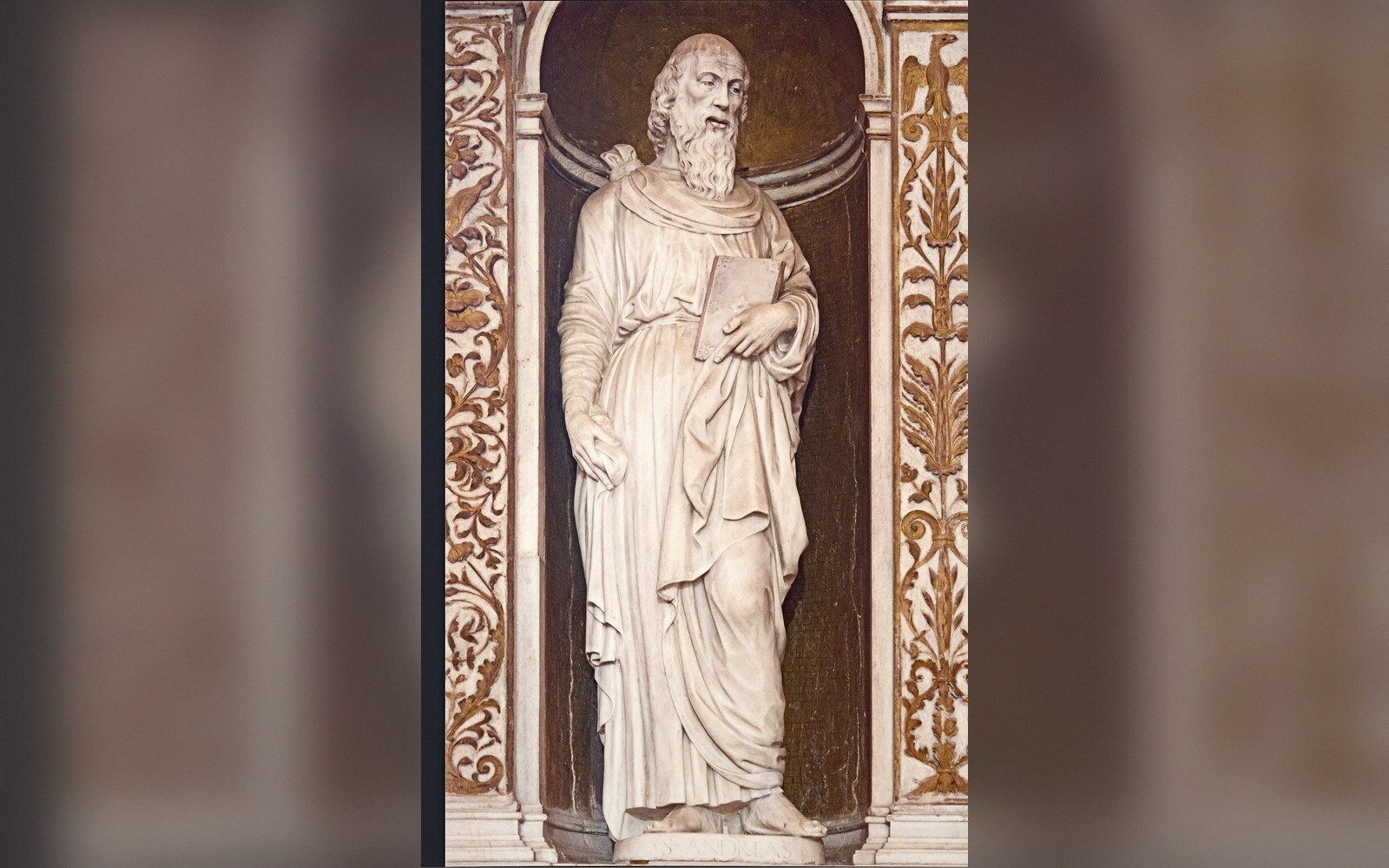
The dominant model in Italian workshop practice was the discrete commission: subject named, price agreed, term fixed, penalty written in. But a parallel arrangement existed alongside it — the painter retained on a regular stipend, answerable to a single patron rather than the open market. Princes, popes, and wealthy households used this structure throughout the fourteenth and fifteenth centuries, and what it bought was availability.
A retained painter — sometimes called a familiare, a member of the household, or simply a pittore stipendiato, a salaried painter — was expected to turn his hand to whatever the patron required. Portraits, tournament banners, painted furniture, the decoration of a newly acquired room: none of this would have generated a formal contract if commissioned piecemeal, and most of it does not survive. The documentary record of court painters is therefore largely a record of payments and inventories rather than named works, which creates a systematic bias: scholars have always known more about the grand commissioned altarpiece than about the constant stream of smaller tasks that occupied a retained man's year.
What the stipend changed was negotiating power — or rather, it transferred power almost entirely to the patron. A painter working commission by commission could, in principle, refuse a job, demand a higher price, or walk away at term. A retained painter had agreed in advance to serve, and his stipend continued whether the patron kept him busy or left him idle. The Gonzaga court in Mantua, the Sforza in Milan, the Este in Ferrara all maintained painters this way. Pisanello worked at several courts under terms that blended retainer with commission; Mantegna spent more than forty years in Mantua on a salary, supplemented by gifts and occasional outside commissions that required ducal permission.
That last detail matters. The retained painter did not necessarily stop taking outside work, but the patron's claim came first, and external commissions often required explicit approval. The arrangement was a form of exclusivity purchased by the month. In exchange, the painter gained security, lodging sometimes, access to materials from the court's own supplies, and a social position — servant in rank but specialist in function — that the itinerant workshop master could not quite claim.
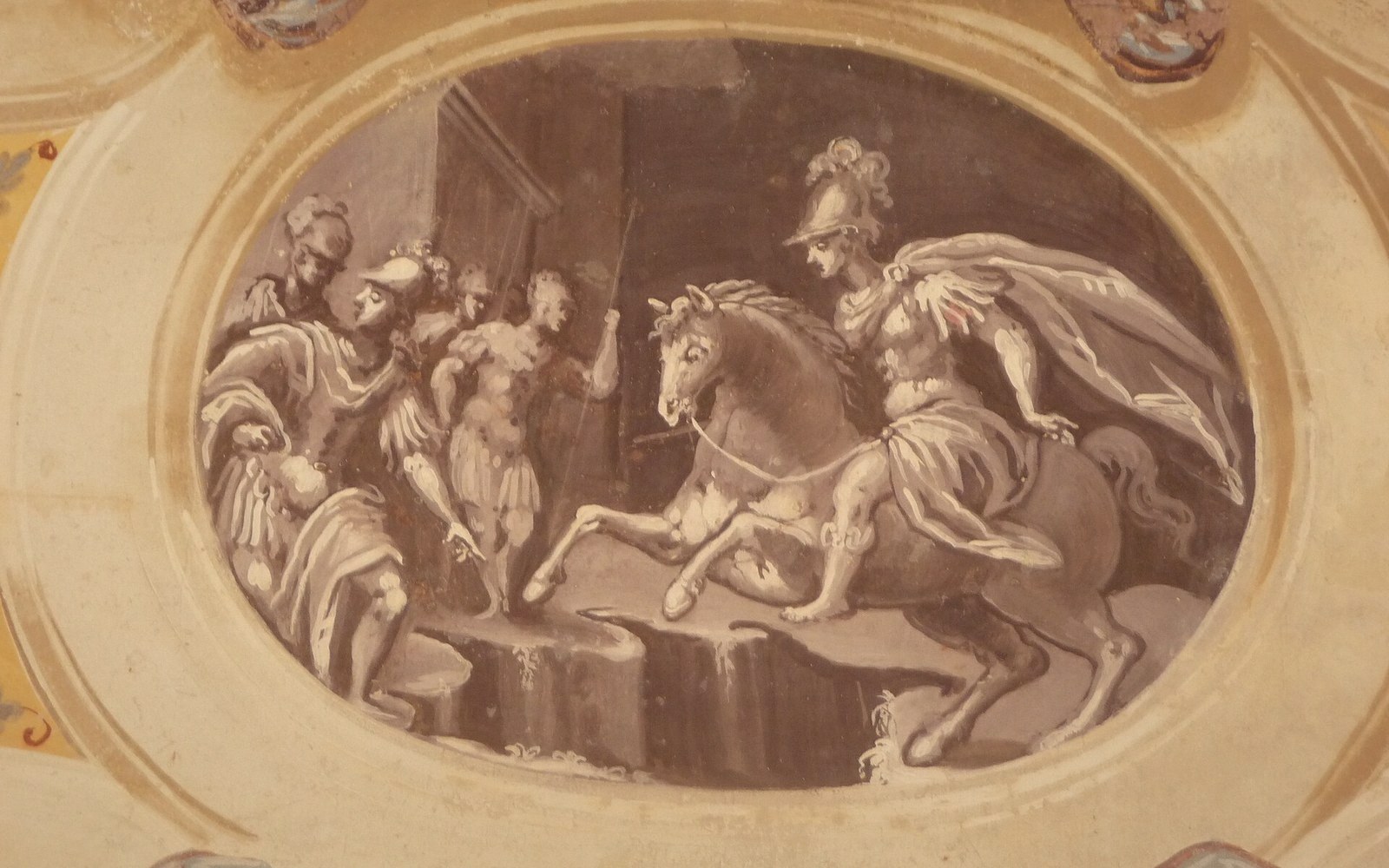
The work itself was shaped by this. Spontaneity, or at least responsiveness, replaced the negotiated programme. A retained painter did not wait for a patron to formulate a commission; he was already in the room.
What the stipend changed was negotiating power — or rather, it transferred power almost entirely to the patron.