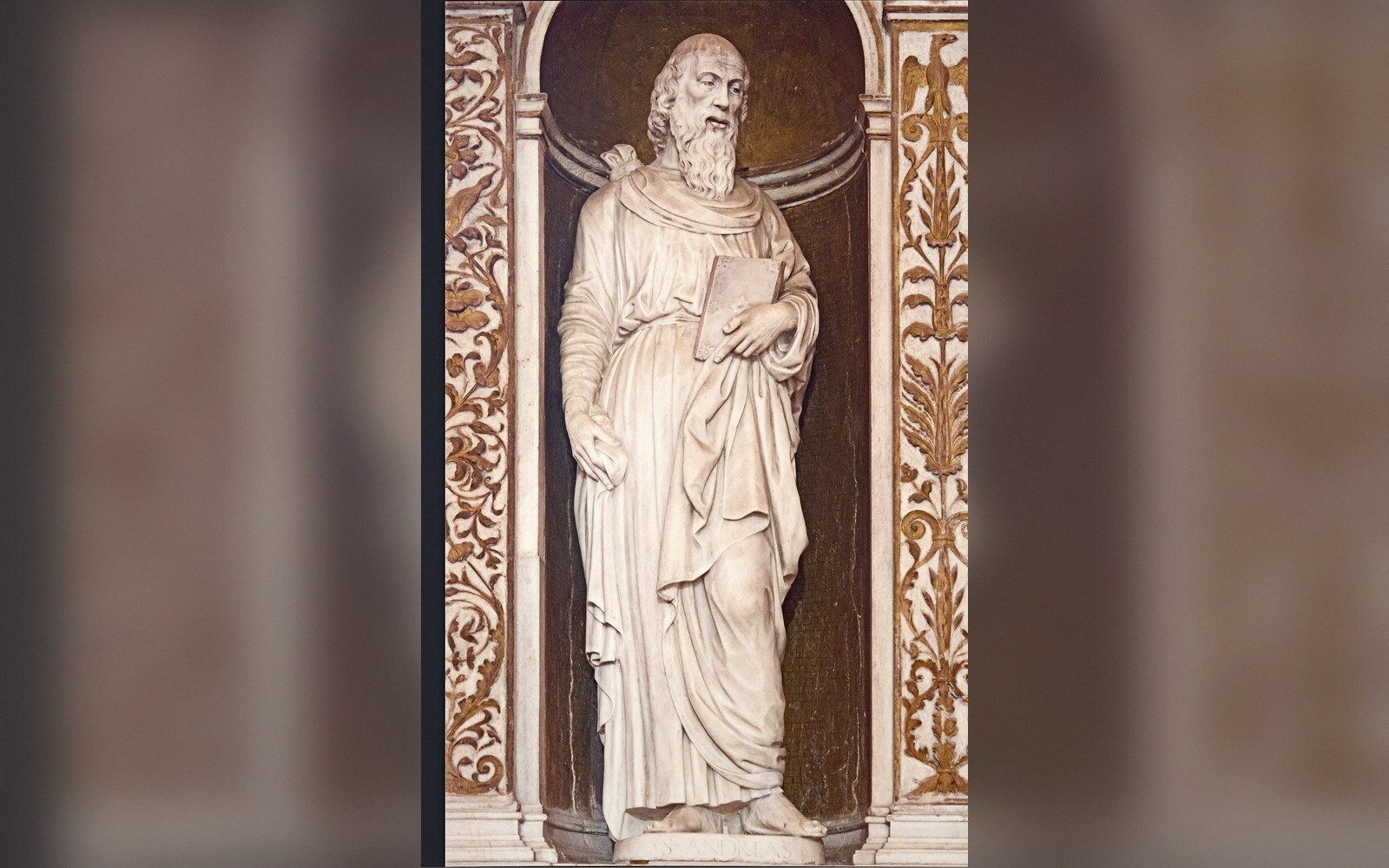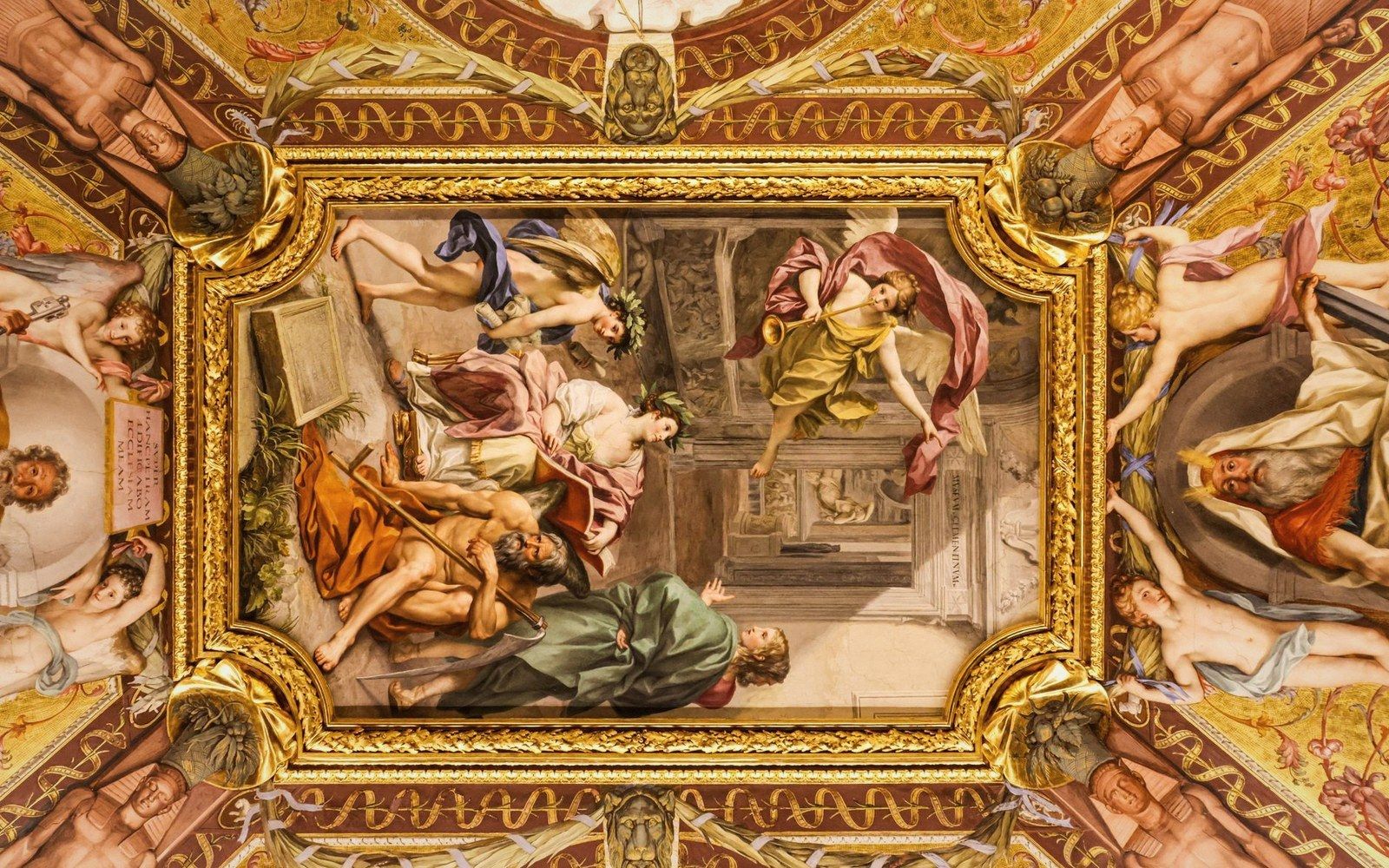
A Renaissance or medieval painting contract was not an invitation to compose. It was, among other things, a list. The patron named the scene — the Annunciation, the Assumption, the Nativity — and then kept going: this saint on the left, that one on the right, the donor in the foreground, the donor's wife behind him, and God the Father appearing in the lunette above. The painter's creative latitude operated within whatever the document left unaddressed.

The specificity was not unusual. It was the norm. A confraternity commissioning an altarpiece for their chapel wanted the saints who were relevant to them — their name-saint, the saint of their trade, the protector of their city — and they had theological and social reasons for the placement. Left and right were not neutral: the gospel side and the epistle side of an altar carried liturgical meaning, and a donor portrait placed correctly signaled a relationship with the sacred figure above it. Get the hierarchy of position wrong and you had misread the room.
Sometimes the contract went further than names and sides. It specified how many figures the scene should contain, whether angels were to appear and in what number, whether the gold ground was to be solid or the setting architectural. A patron who wanted a gold ground in the 1480s was making a statement — conservative, votive, deliberately archaic — and the contract was where that preference became binding. The painter could not simply decide the composition called for a landscape.
The saints specified were almost never random. A burial chapel commission tended to produce a very legible document: the dedicatee of the chapel in the place of honor, family patron saints flanking, and an iconography assembled to do work — intercessory work, memorial work, the projection of a family's piety into durable pigment. Strip away the contract and the program becomes archaeology; read the contract and it becomes a brief with clear objectives.
What the contract rarely specified was how to paint: proportions, foreshortening, the handling of drapery folds. That was workshop knowledge, and patrons generally did not have the vocabulary to dictate it even if they wanted to. The content was theirs; the execution belonged to the master. This division is one reason the "artist's freedom" question dissolves when you read the documents — freedom of handling was assumed, while freedom of subject was rarely on offer. The painter was engaged to render what the patron had already decided to commission. The composition began not on the preparatory panel or the plaster but in the negotiated text of the contract.