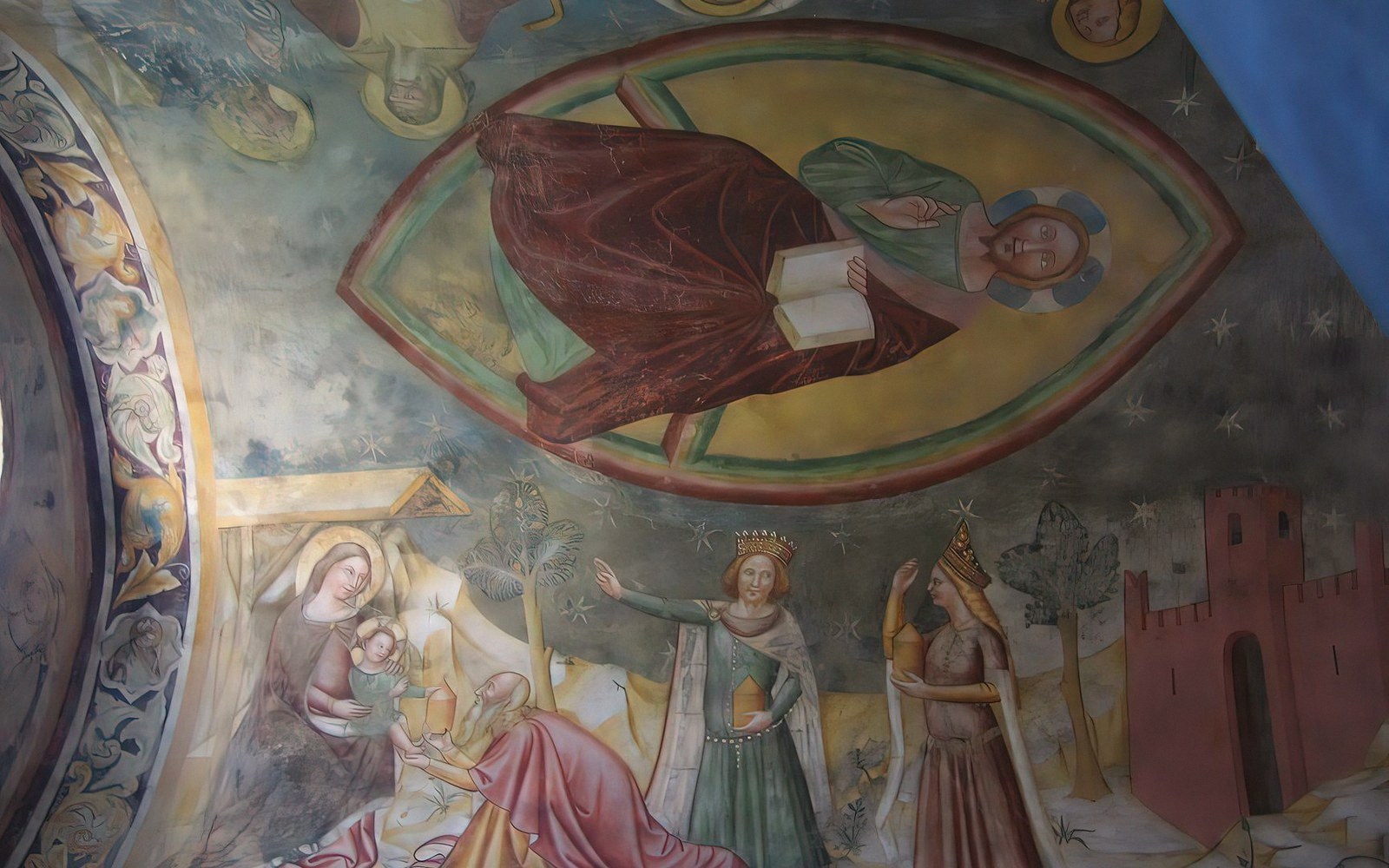
A large church interior was not a single patron's property. The nave pillars, the side aisles, the wall bays between chapels — these were parcelled out among guilds, confraternities, and private individuals who could not afford a full chapel but still wanted a named saint on a named surface. The result was a market in small commissions that was, in sheer volume, far larger than the altarpiece trade.
The mechanism was simple. A guild of cobblers, say, or a confraternity of flagellants would negotiate with the fabric committee of the church — the fabbriceria — for the right to decorate a specific pillar face or lunette. That right was not permanent ownership; it was more like a long lease, contingent on maintenance and occasionally on the payment of an annual fee. The patron supplied the money; the church supplied the surface; the contract named the saint and, sometimes, little else.
Painters working at this end of the market ran lean operations. A single journeyman and a boy could execute a devotional image in fresco in three or four giornate — day-work sessions, each patch of fresh plaster sized to what the painter could finish before it dried. The sinopia, the red-ochre underdrawing laid onto the rough arriccio coat, was often perfunctory: a saint's outline, a halo, a token landscape. Speed mattered more than elaboration because the fee was small and the painter had other walls to cover.
What was specified in such contracts, where they survive, tends to be sparse: the identity of the saint, the need for the patron's coat of arms or guild symbol in a corner, sometimes a requirement that the painter use good colours rather than cheap ones — a hedge against substituting lime white for lead white in the highlights. Ultramarine was almost never mentioned, because neither party expected it. Azurite, terre verte, and ochres were the palette of the ordinary commission.
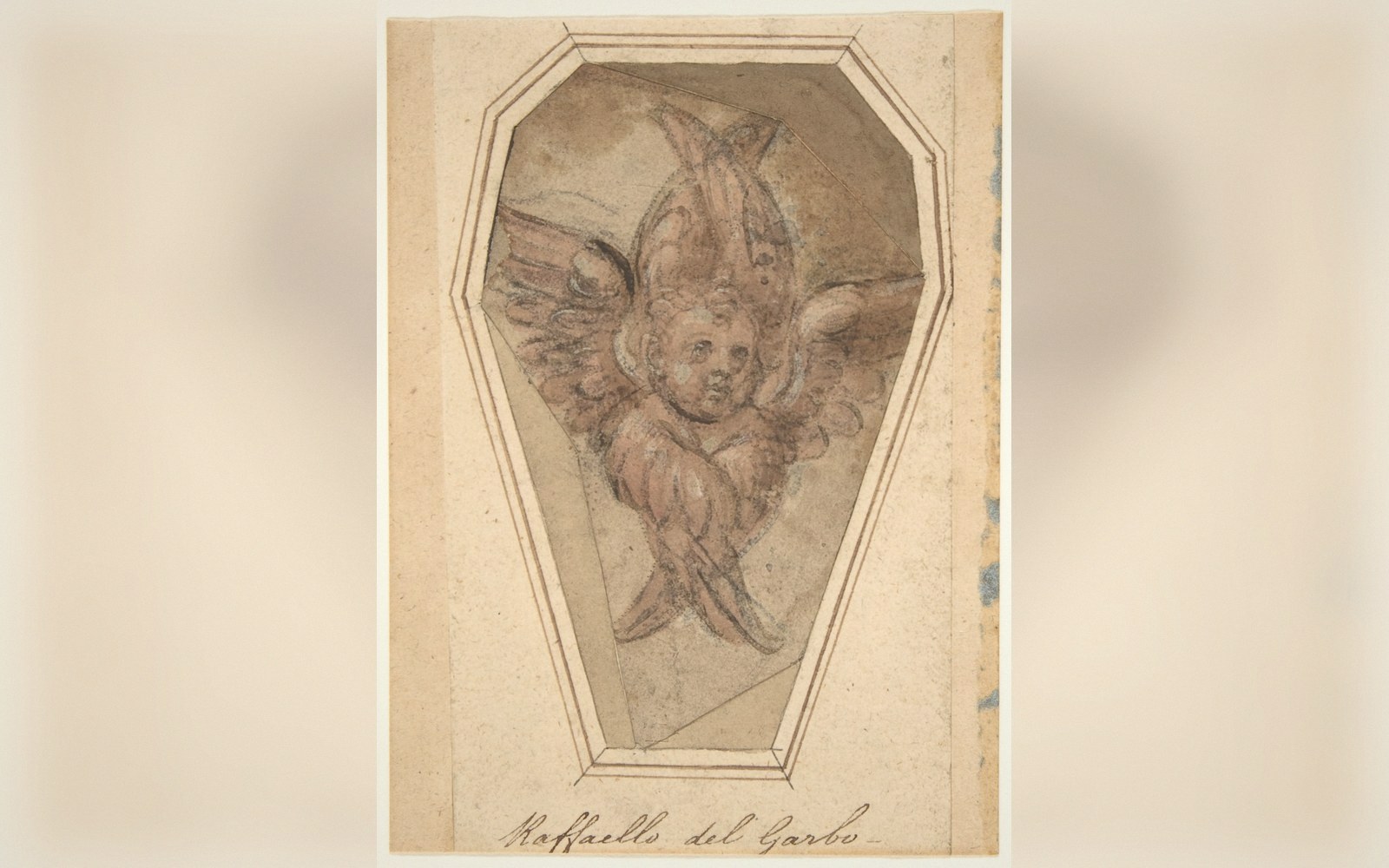
Most of this work is gone. Pillar paintings were whitewashed in post-Tridentine cleaning campaigns, painted over when tastes changed, or simply fell away when the a secco passages — pigments applied to dry plaster — began to flake. What survives in museums is the exception: objects that were portable, or prestigious, or lucky. The pillar painting commissioned by a middling guild for a specific column in a specific church represents the ordinary condition of Italian devotional art, and it mostly exists only as a line in a ledger.