Gilding was never incidental. In a contract for a painted altarpiece or triptych, gold leaf appeared as a line-item, measured out in advance — so many books of leaf, sometimes specified by weight or origin — because the patron was paying for a material whose cost was real and verifiable. It was not a flourish. It was a budget commitment.
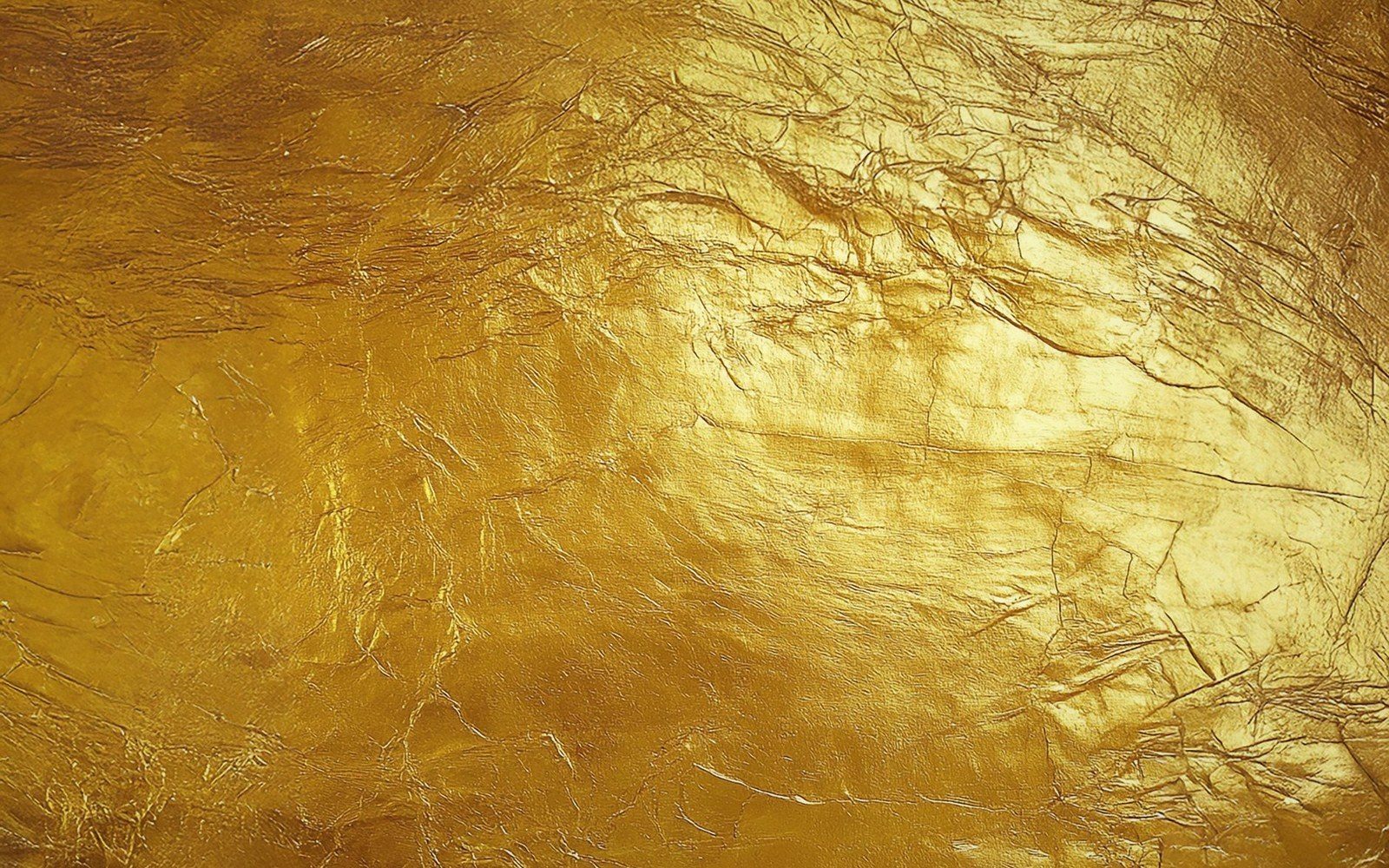
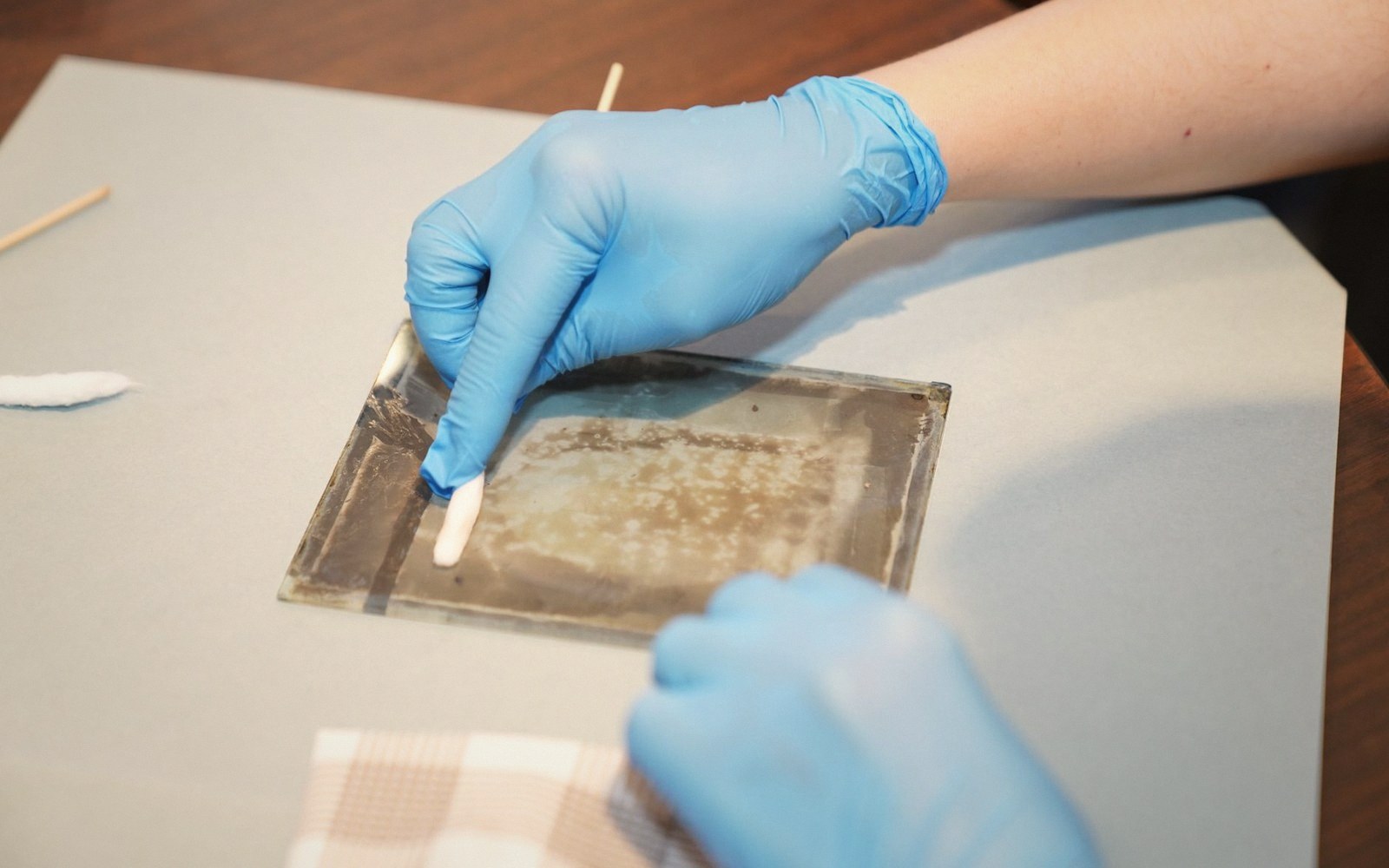
The process dictated that commitment from the start. First came the bole: a red or grey clay ground, mixed with animal-hide glue and applied over gesso in smooth coats, then burnished to a near-waxy surface. The leaf — beaten to almost nothing, thin enough to tear from a breath — was laid onto the bole while it was just damp, using a gilder's tip (a flat brush of squirrel hair) to lift and place it. Once dry, the whole surface was burnished with an agate stone, compressing the gold into the bole and raising that characteristic mirror-like sheen. The color of the underlying bole affects the result: red bole pushes warmth through the gold; grey bole cools it. Workshops made choices.
What the contracts specified was coverage and quality. A patron might require that the ground — the flat gilded field behind figures in a gold-ground panel — be done in fine gold throughout, with no substitute. Where the contract was less generous, passages could be done in a cheaper alloy, or silver leaf subsequently glazed with a yellow varnish, which gave the appearance of gold at lower cost. The difference survives in the aging: true gold does not tarnish; substitutes go grey or greenish. The surface tells you which patron was paying attention to the clause, and which was not.
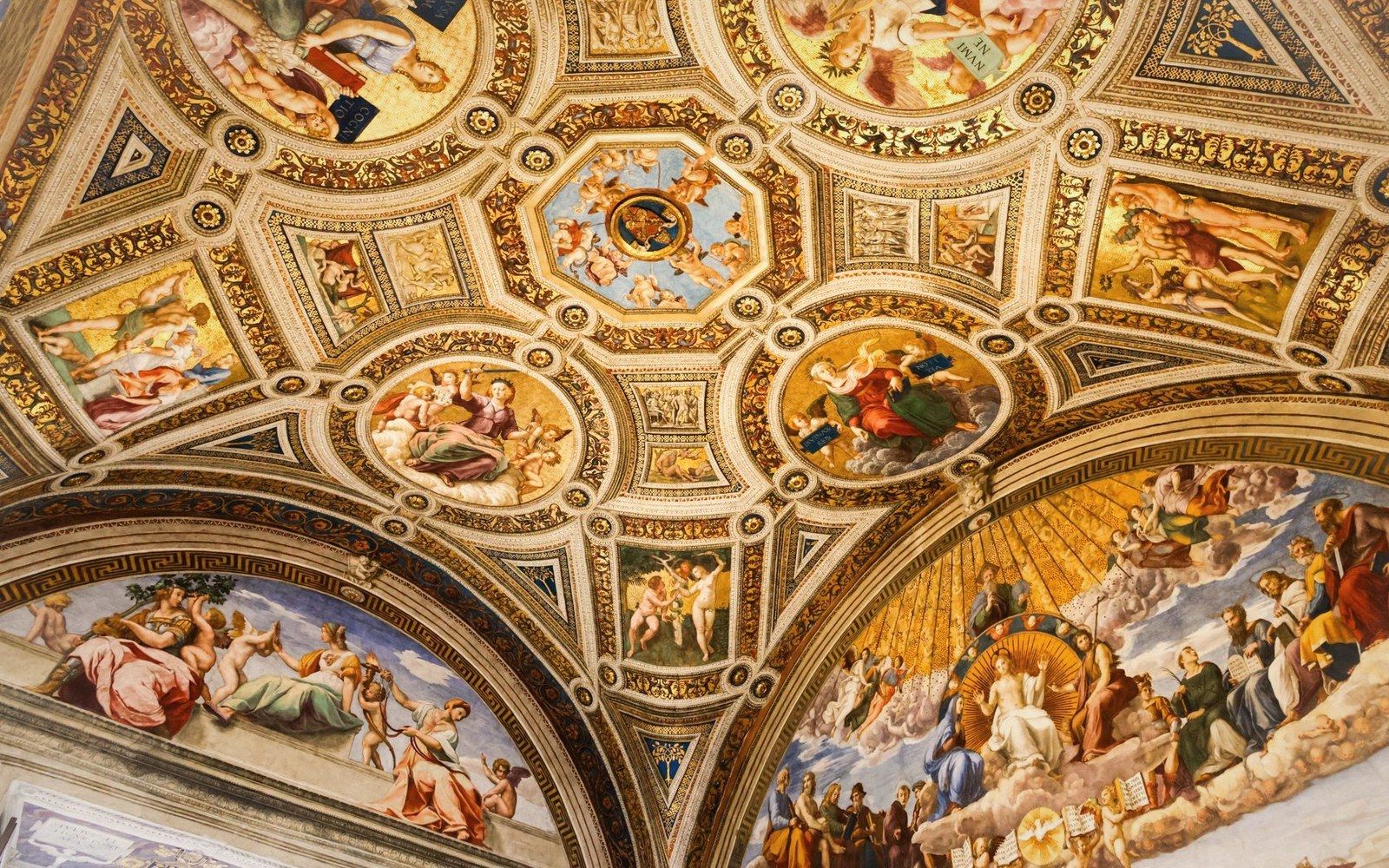
Gold also carried meaning that the patron was consciously purchasing. A gold ground was not sky. It was, in devotional terms, the light of heaven itself — uncreated light behind sacred figures. To scrimp on it was not merely to cut costs; it was to underfund the theological program. So the two pressures — symbolic weight and material expense — ran in the same direction, and the patron who cared about the first was usually willing to fund the second.
The burnishing was the final act, and it was skilled: too much pressure cracked the gesso beneath, too little left a dull surface. Masters often kept this step close, assigning drapery or architecture to assistants but finishing the gold themselves. A surface you could not fake by looking harder was one they tended to guard.